Community-led restoration across Kenya's water towers
Restore the landscape. Secure the water. Strengthen the people.
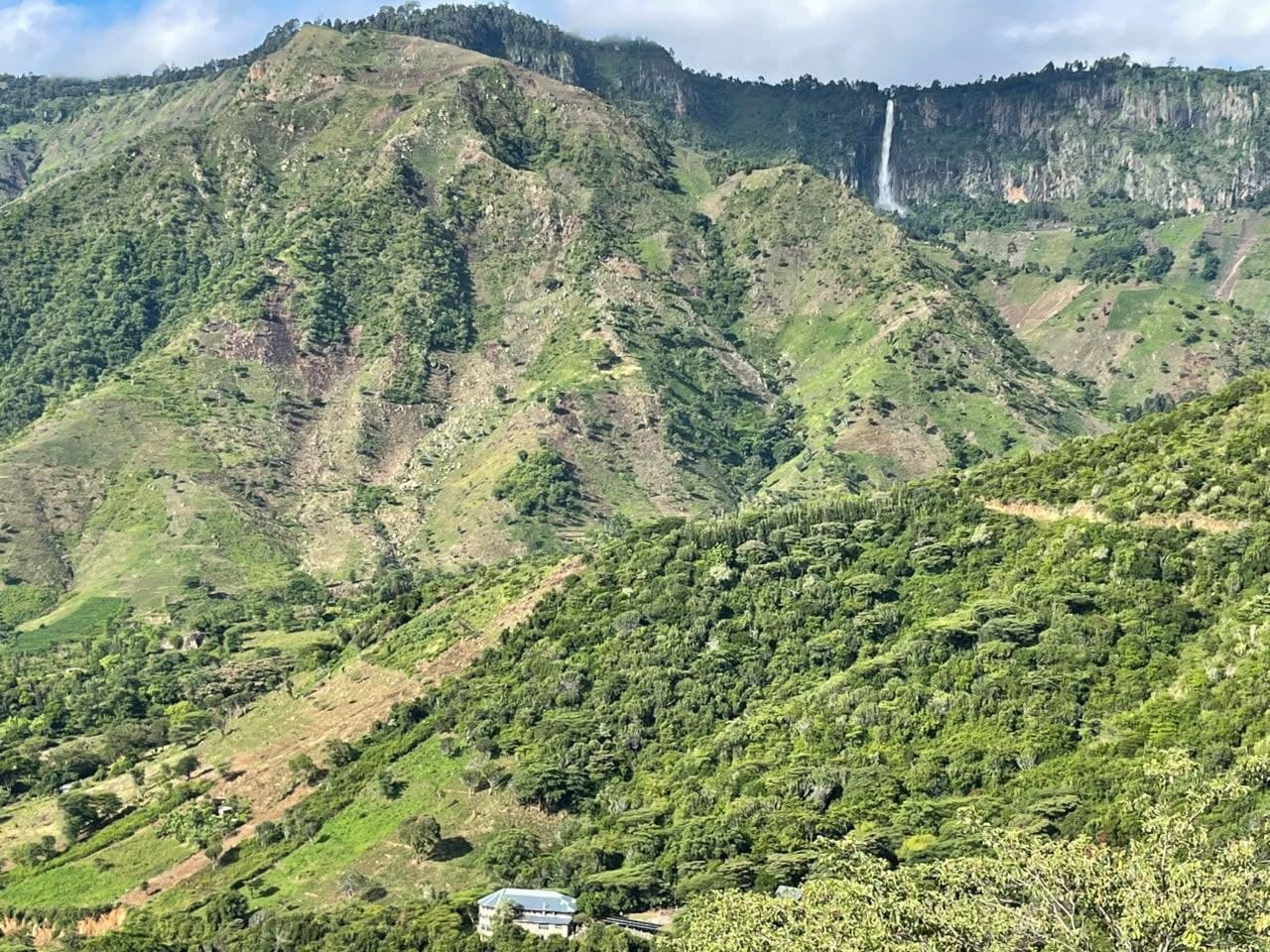
From the forest edge of Iten and Kesup to the Spencer Line above the Kerio Valley, we restore indigenous ecosystems, protect springs and create lasting livelihoods with local communities.
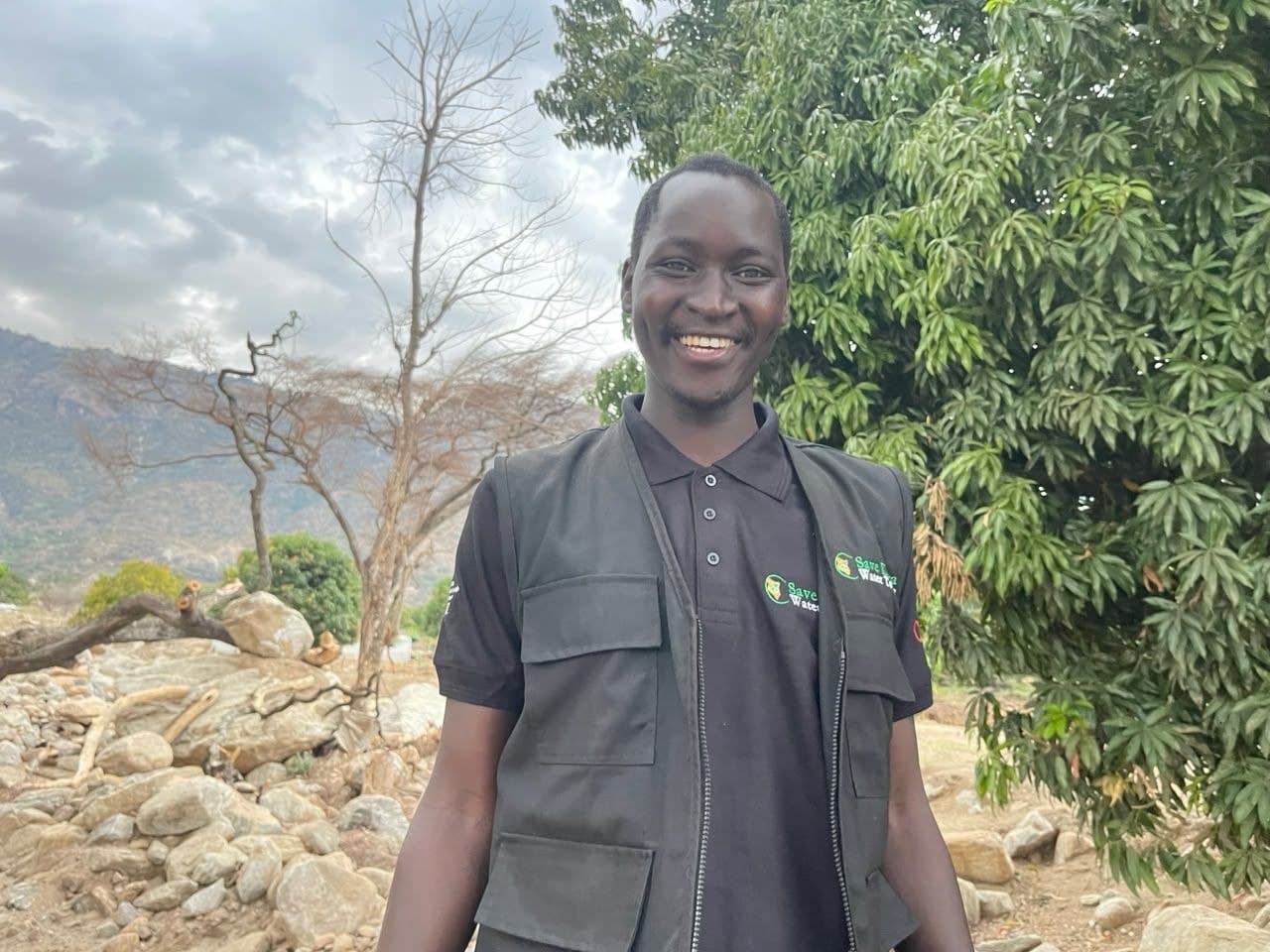
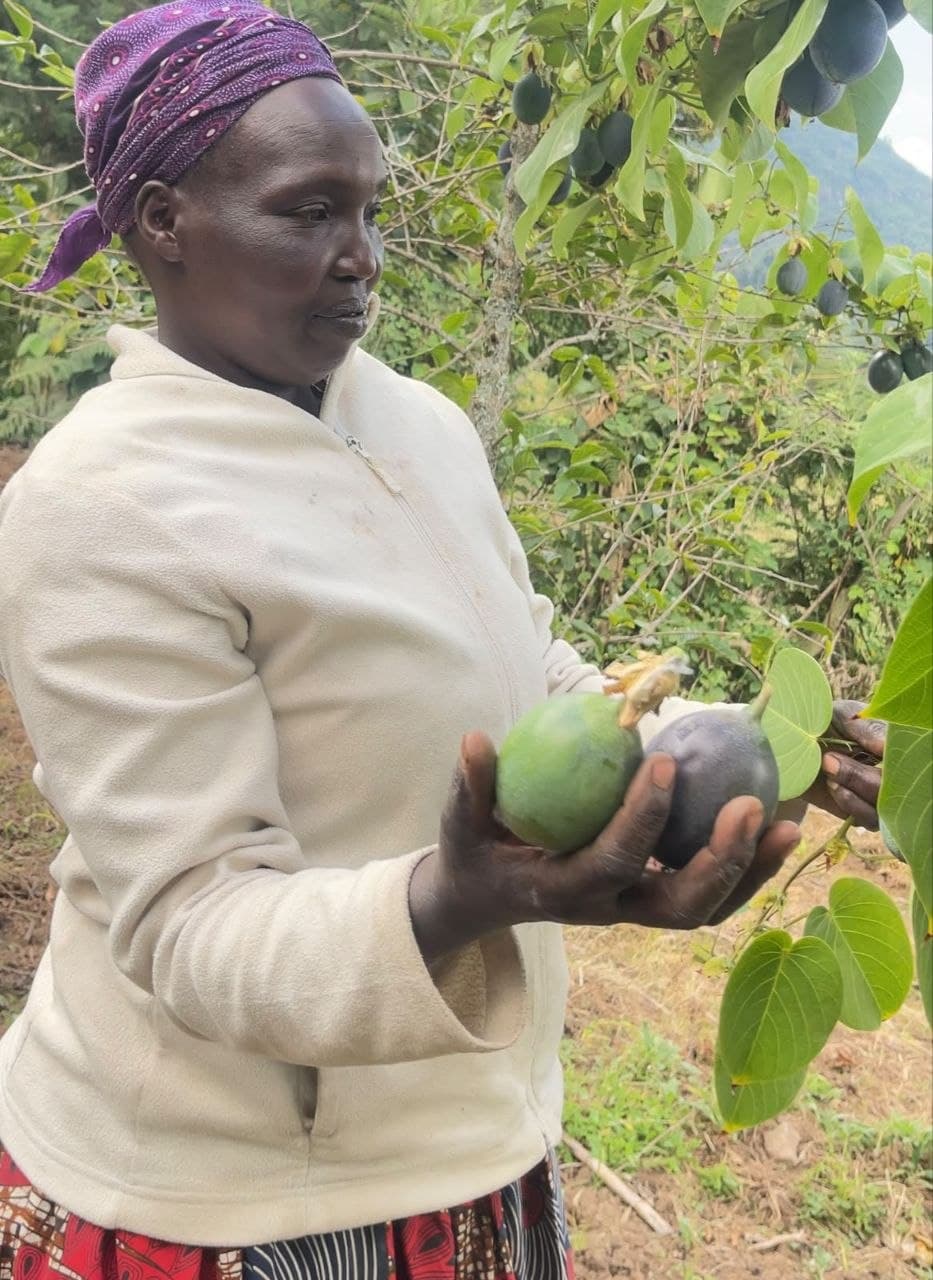
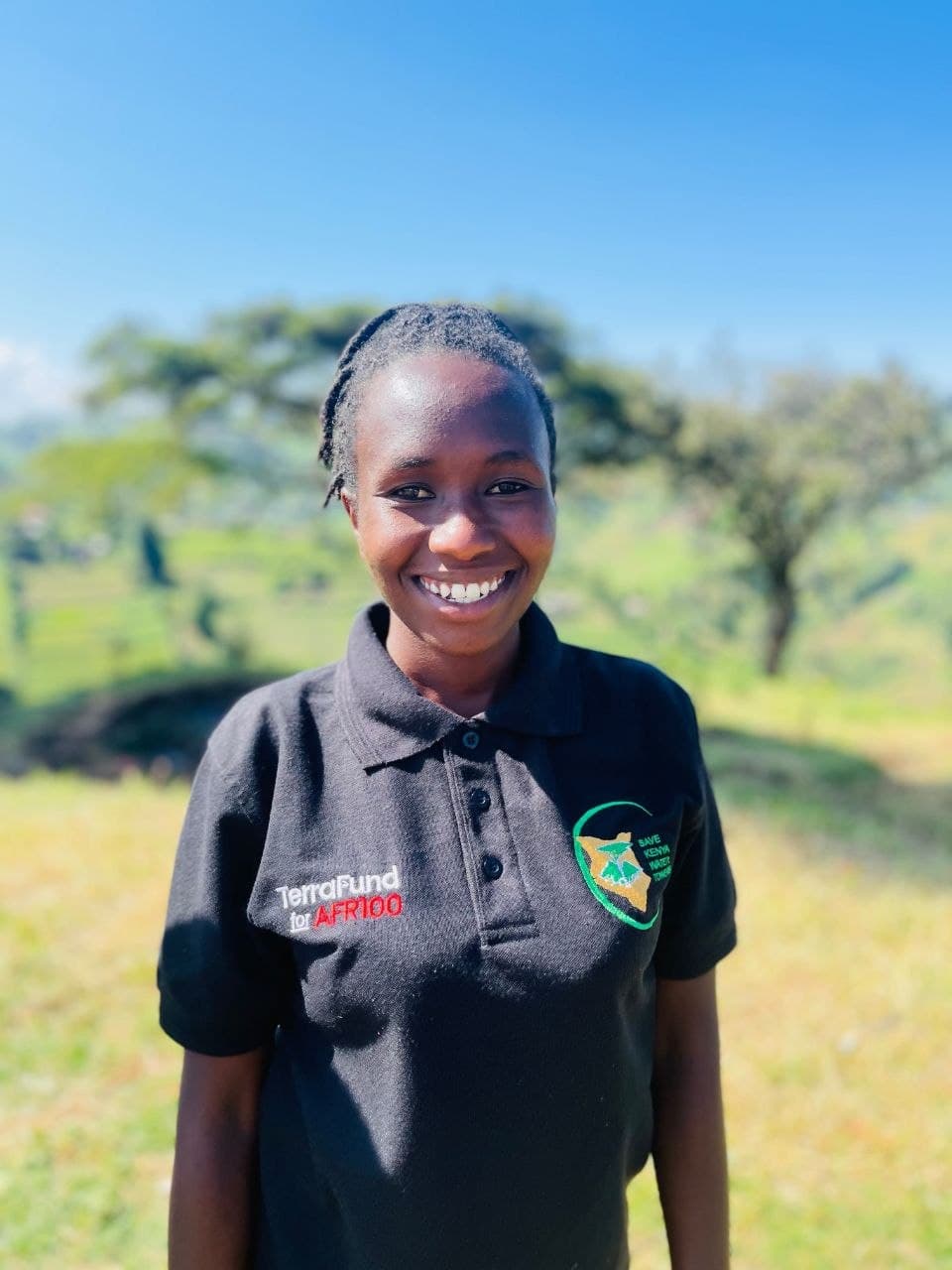
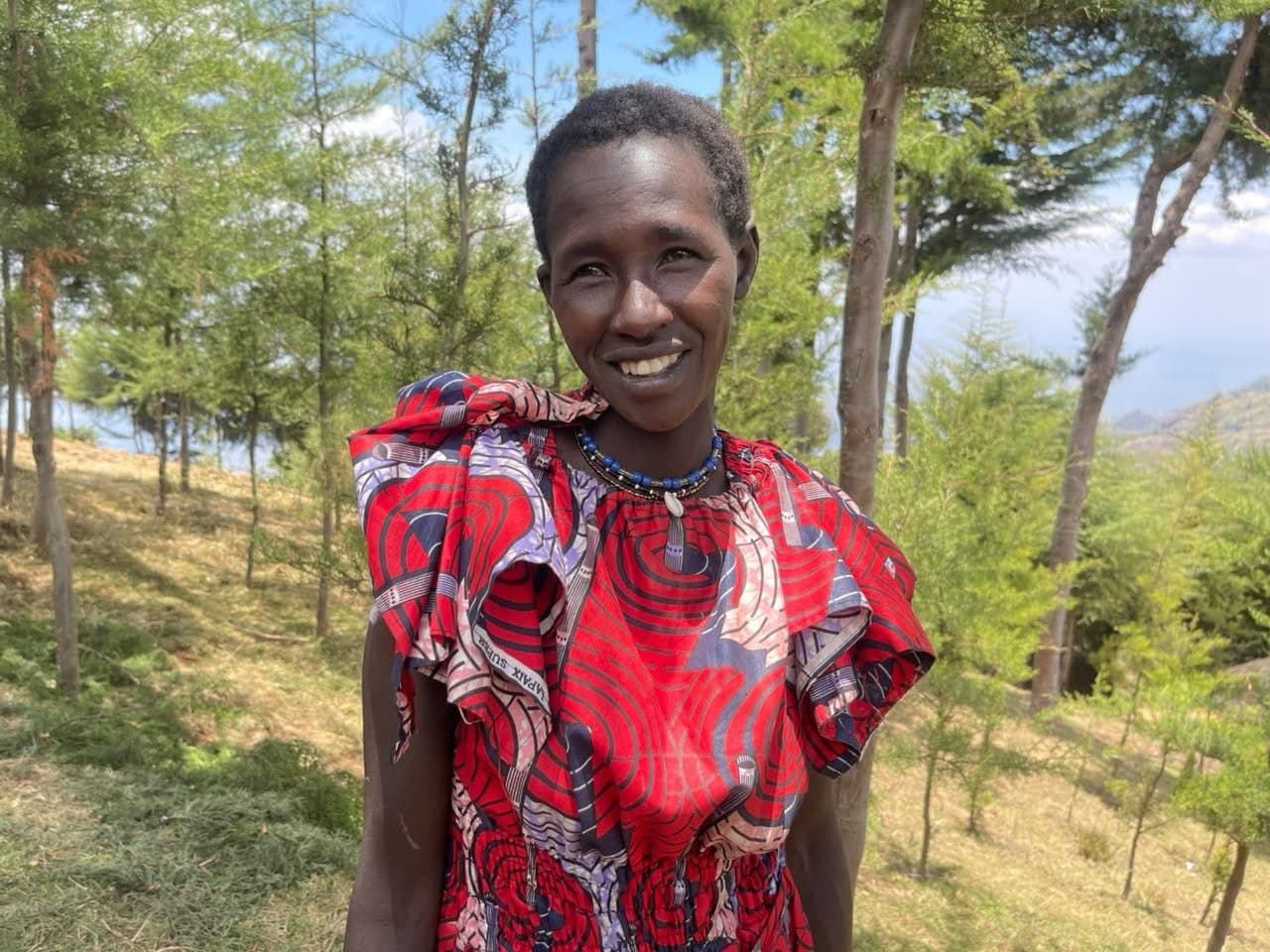
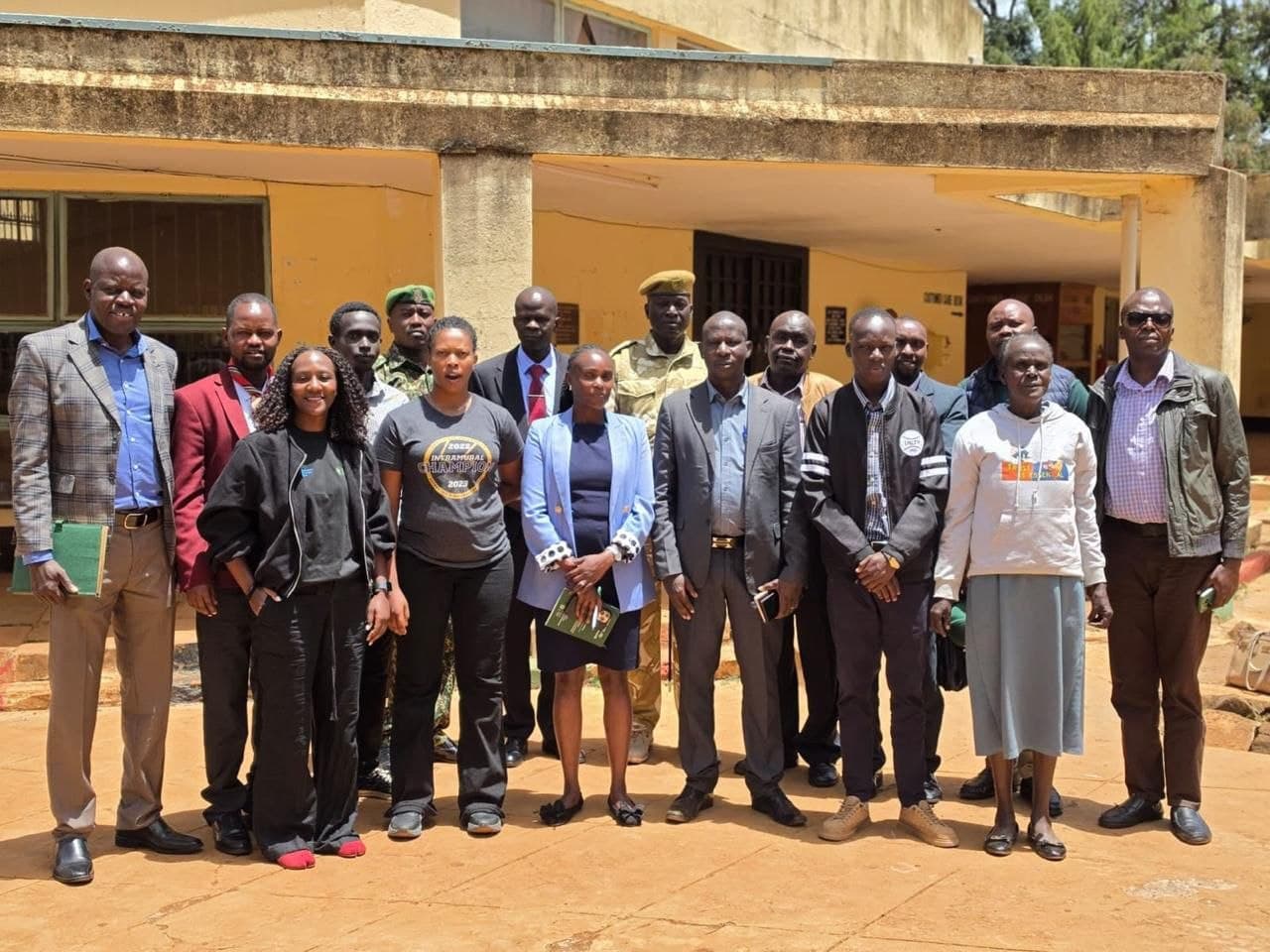
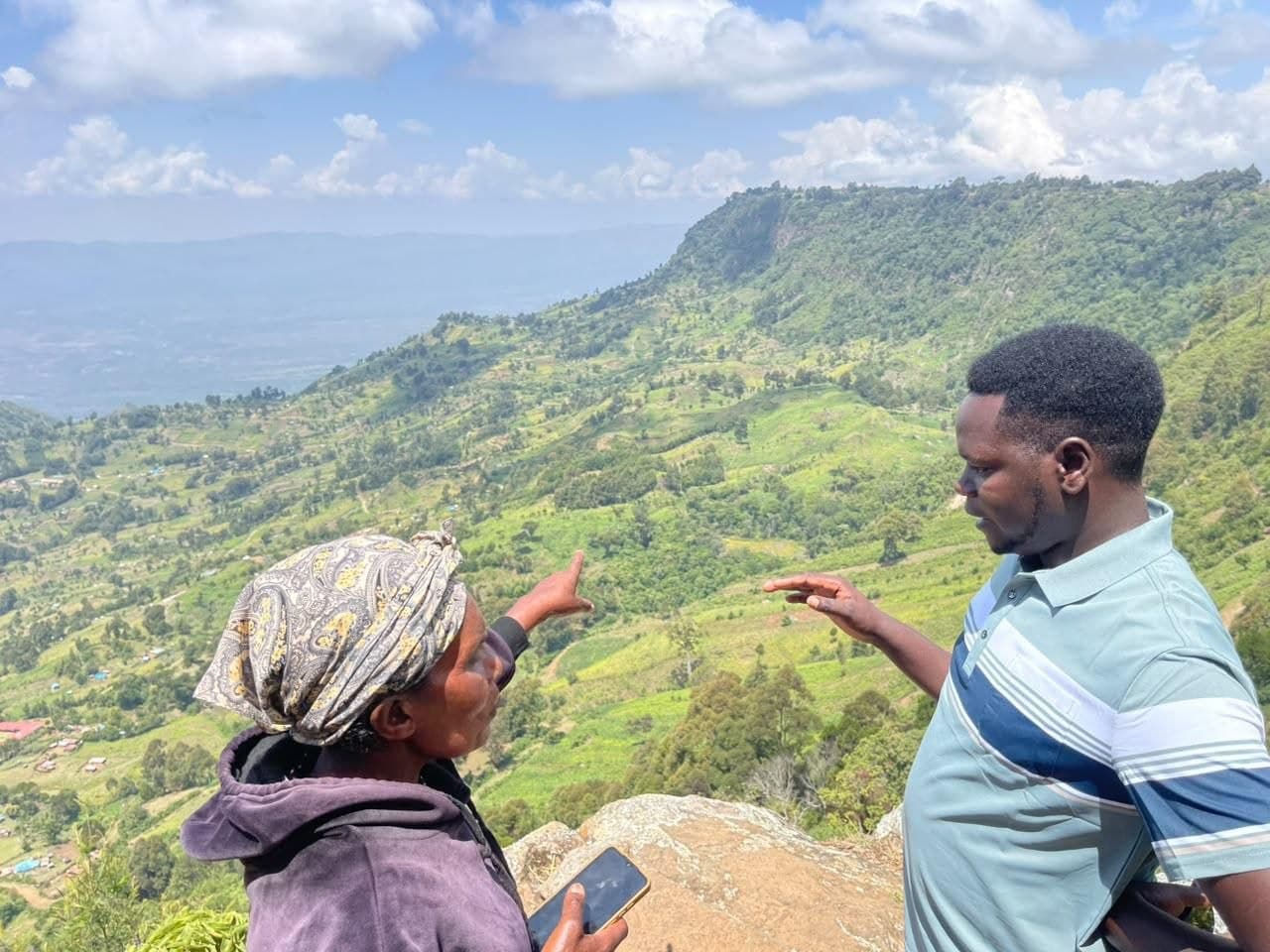
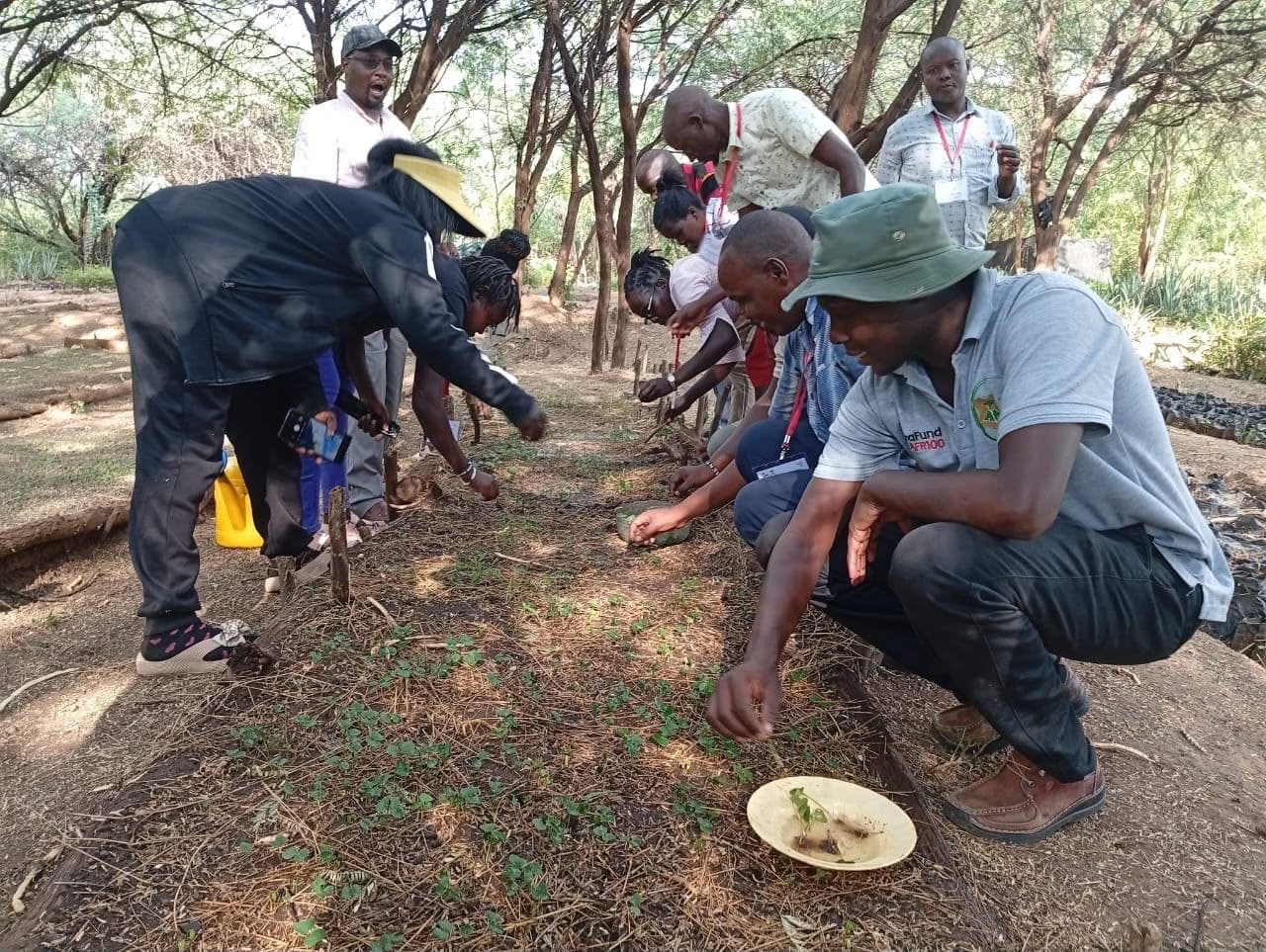
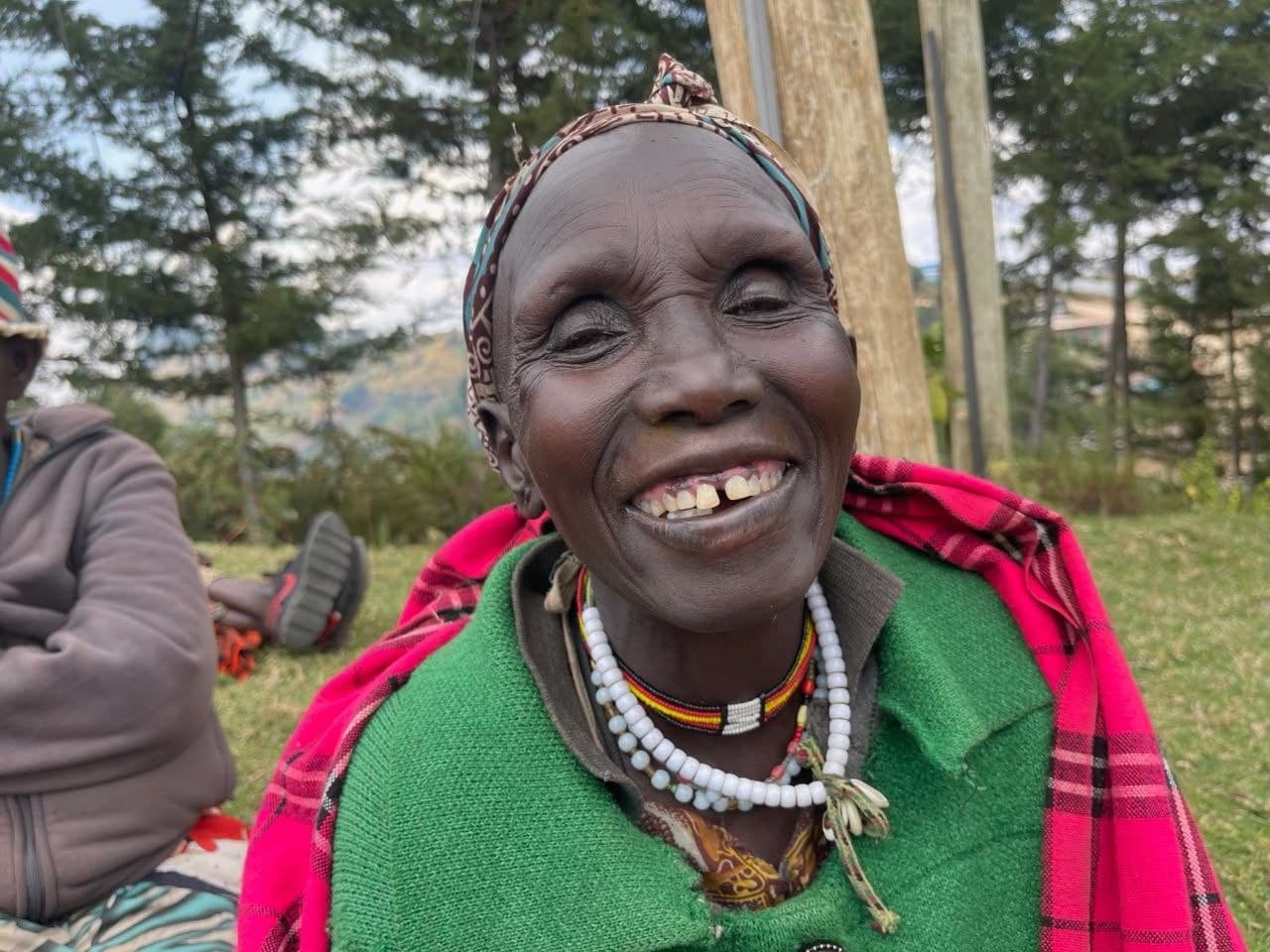
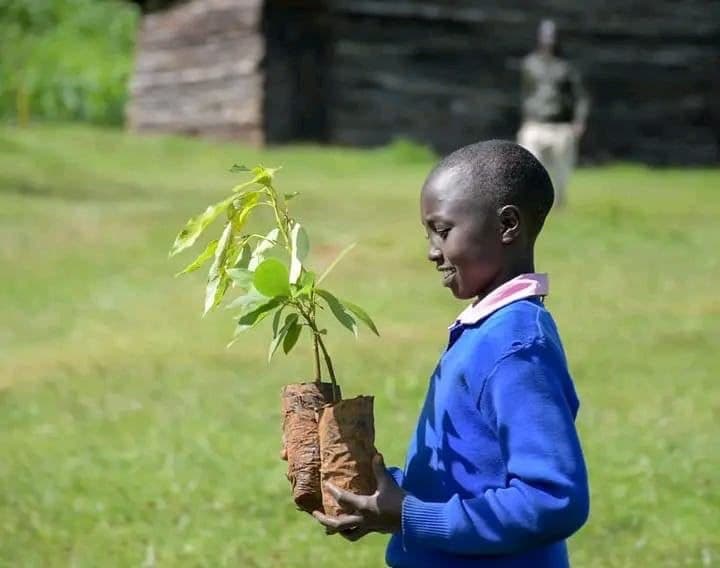
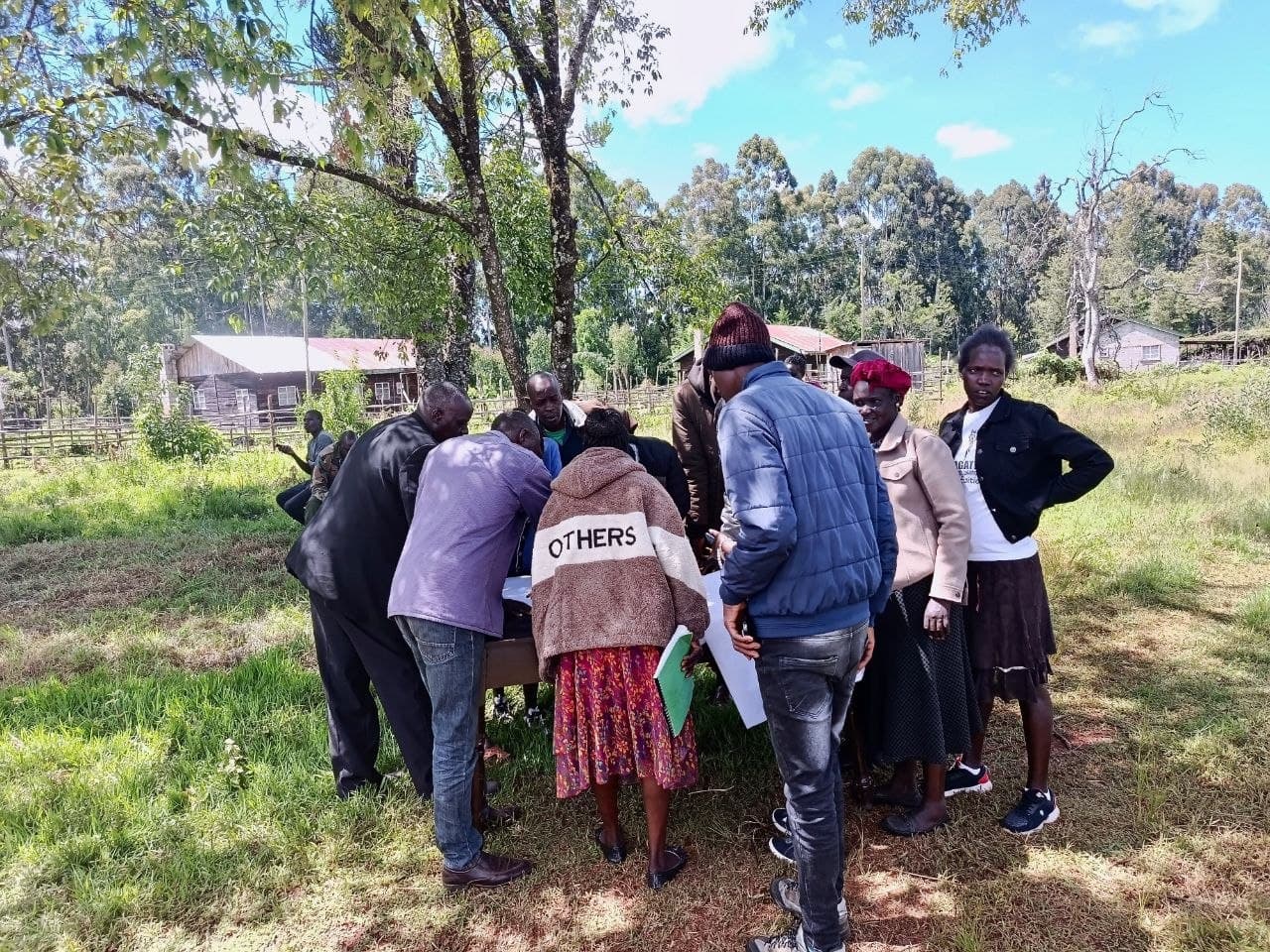
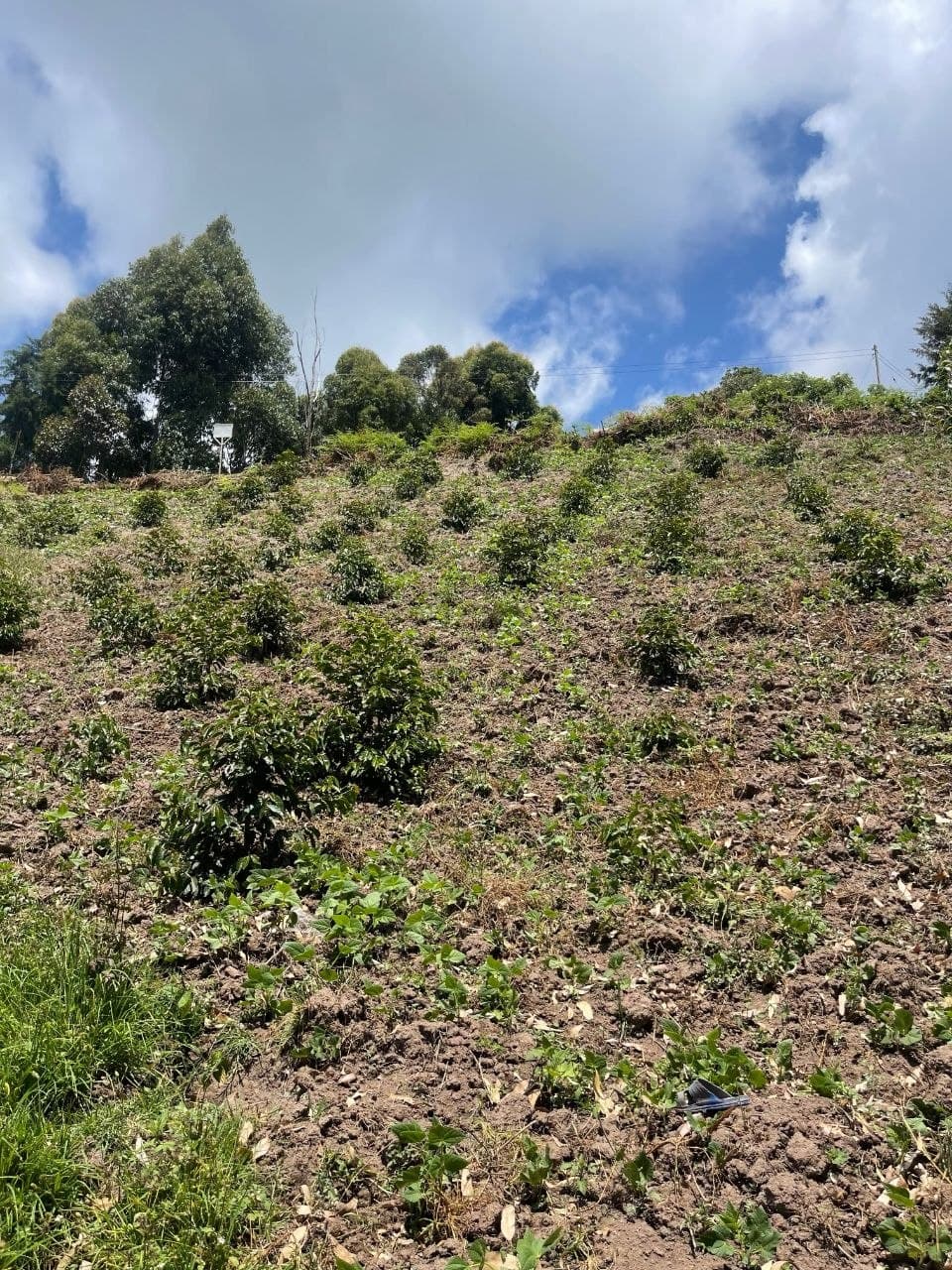
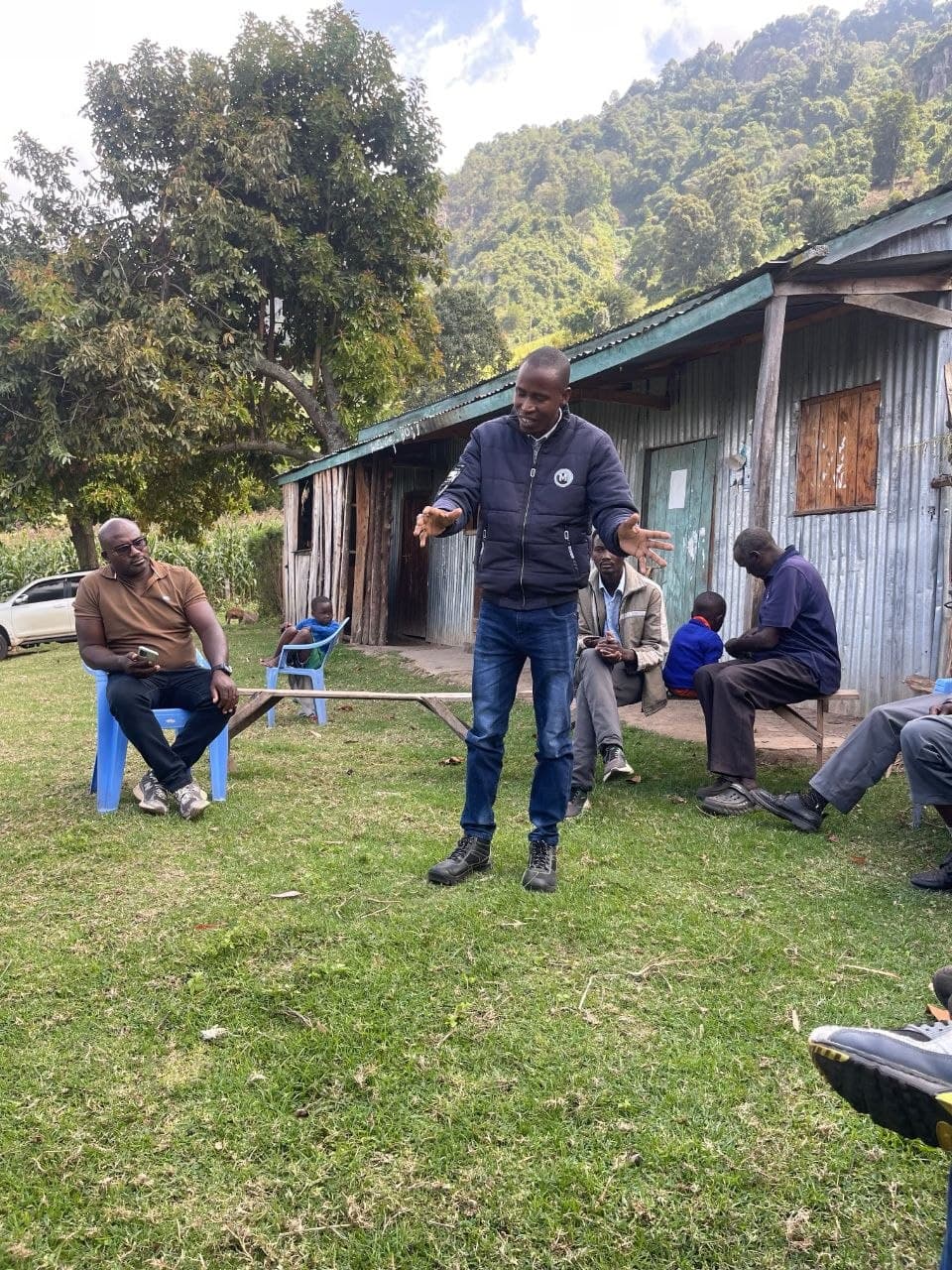
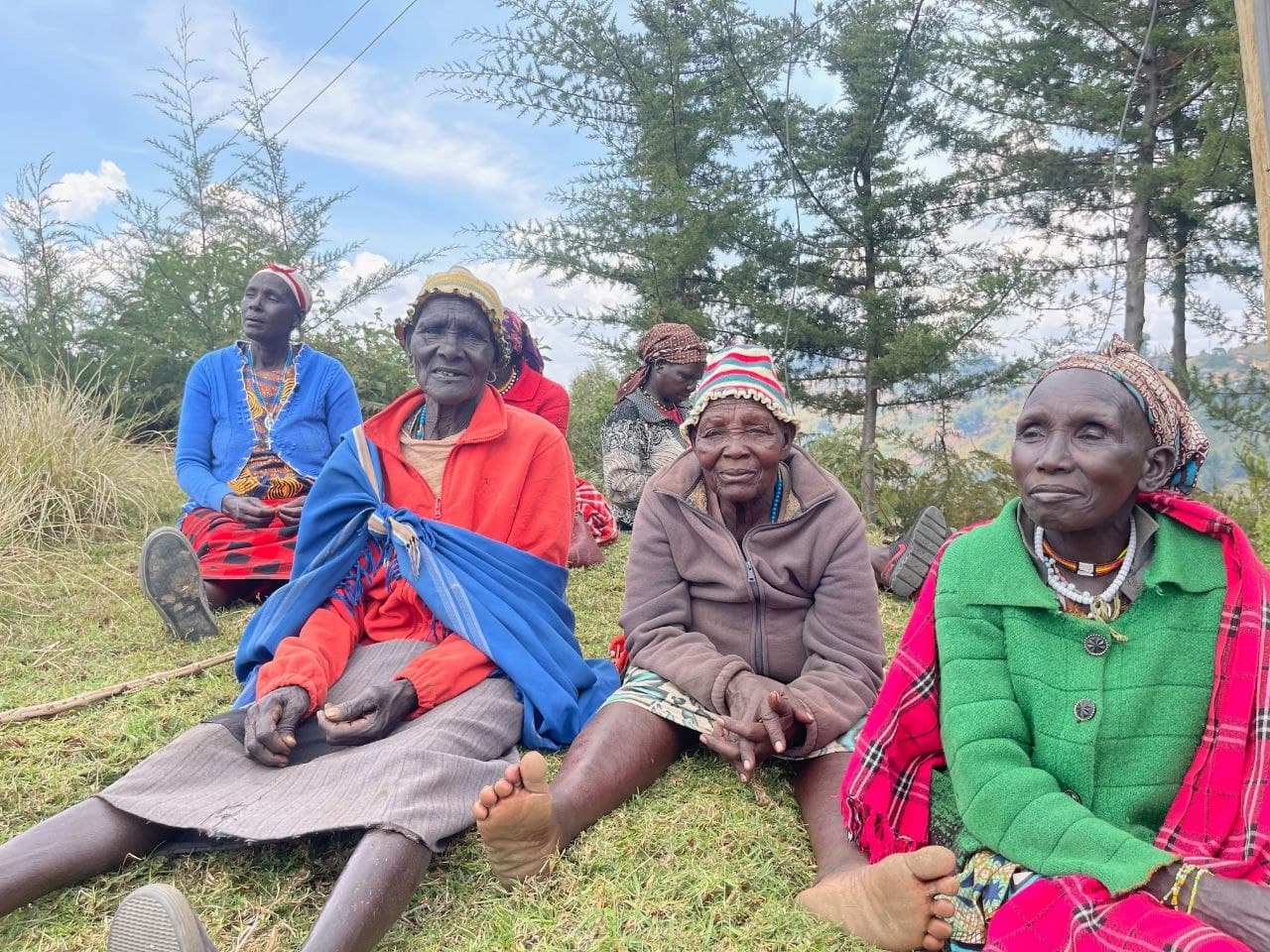
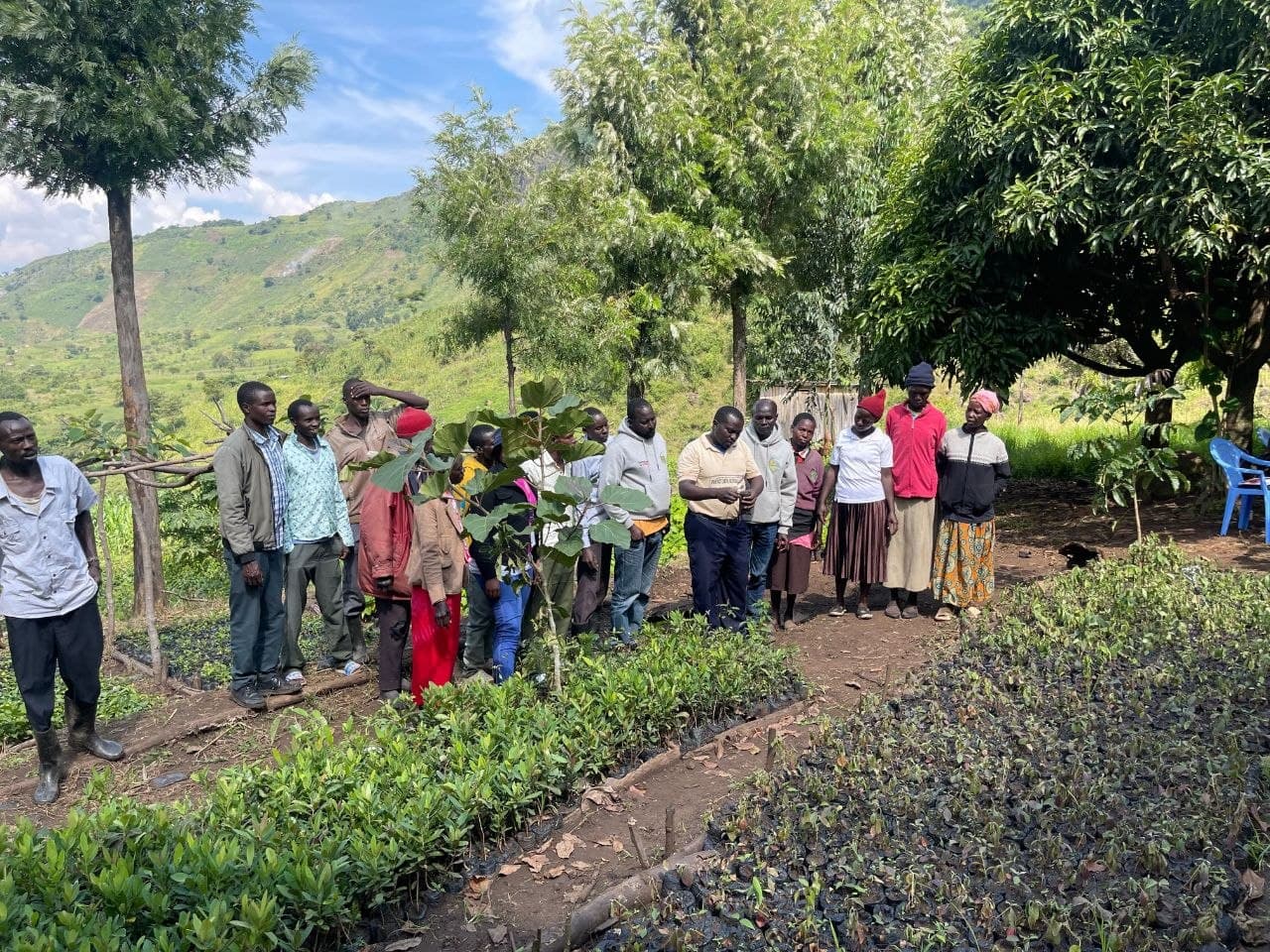
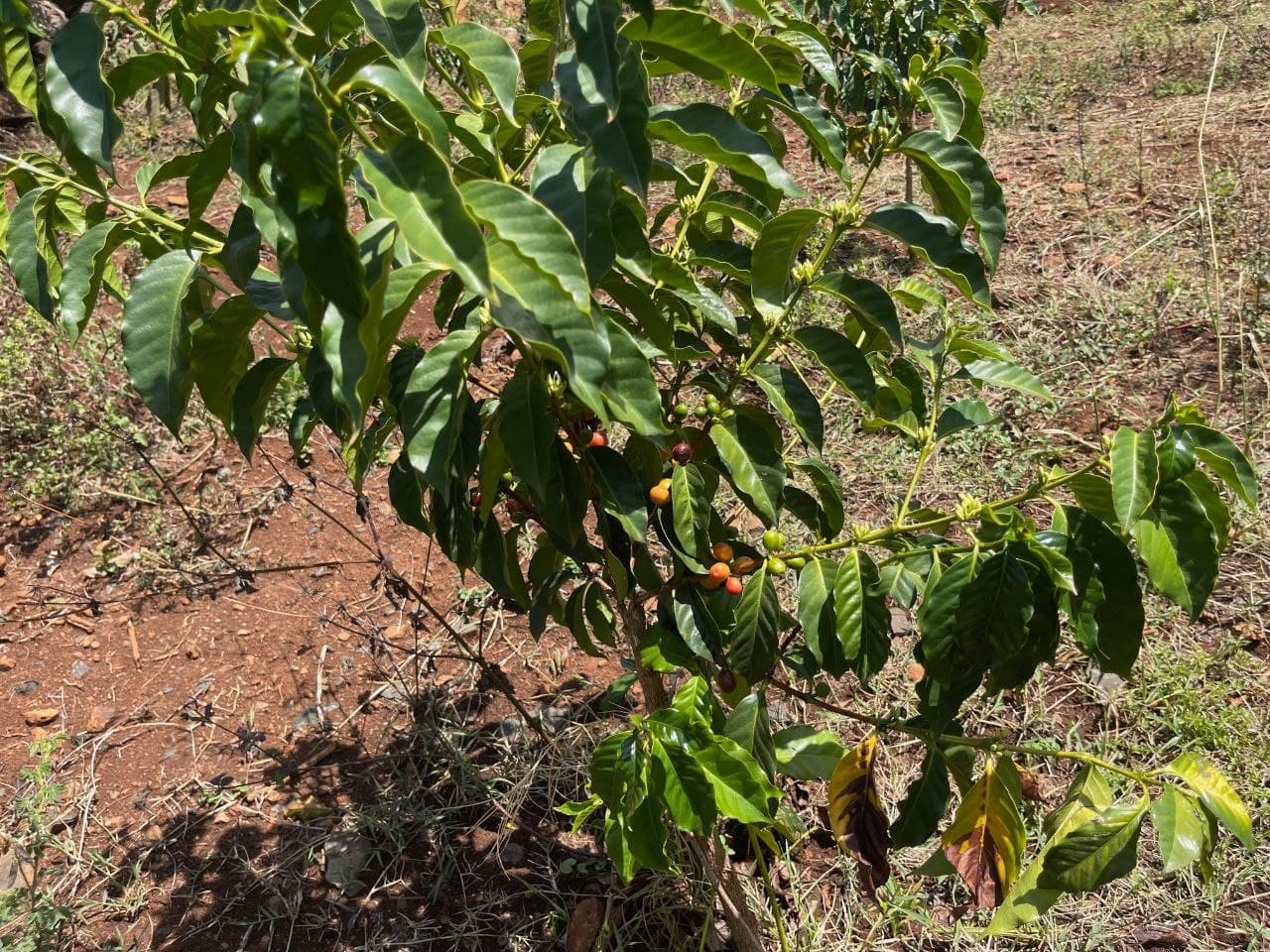
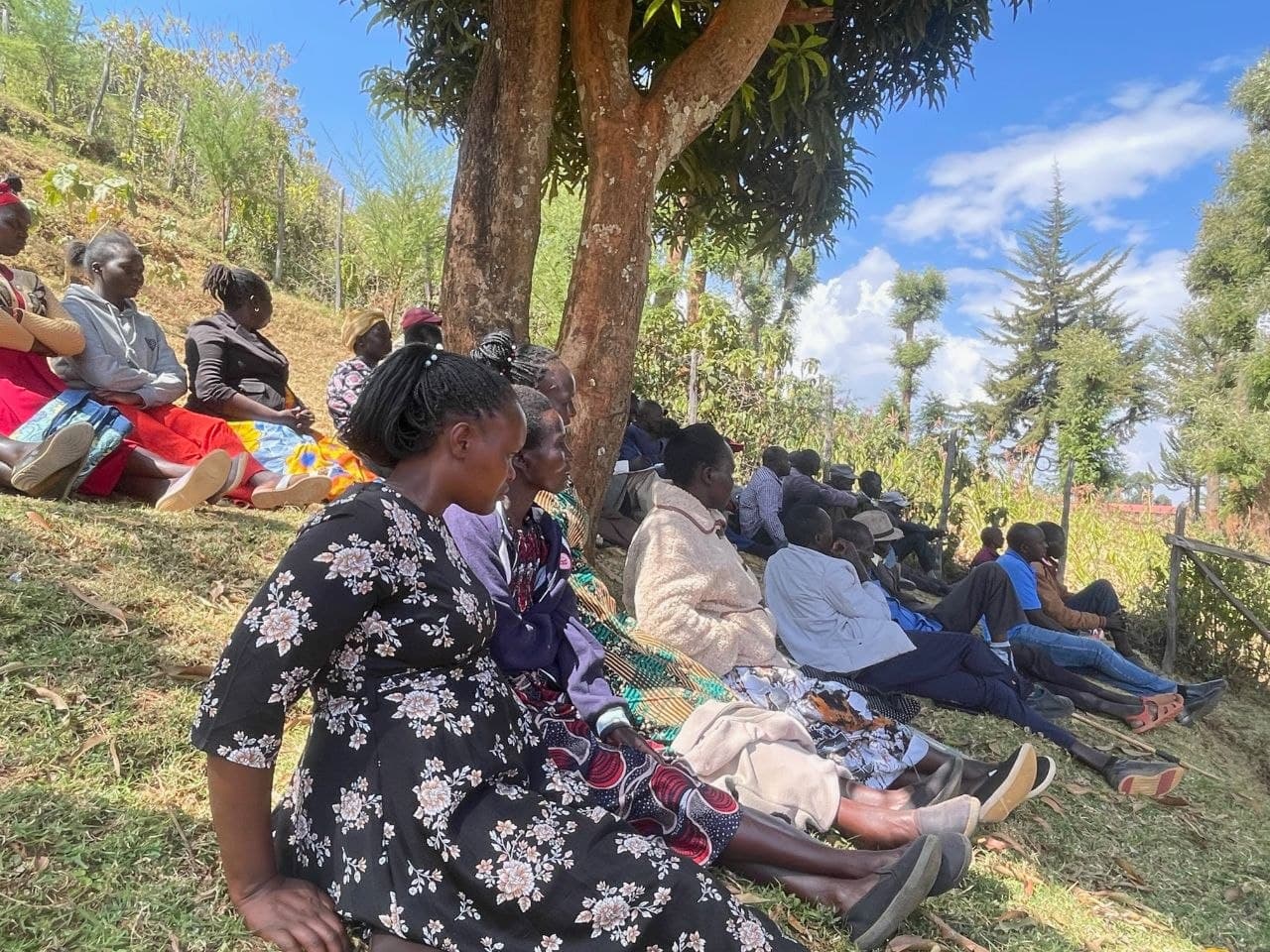
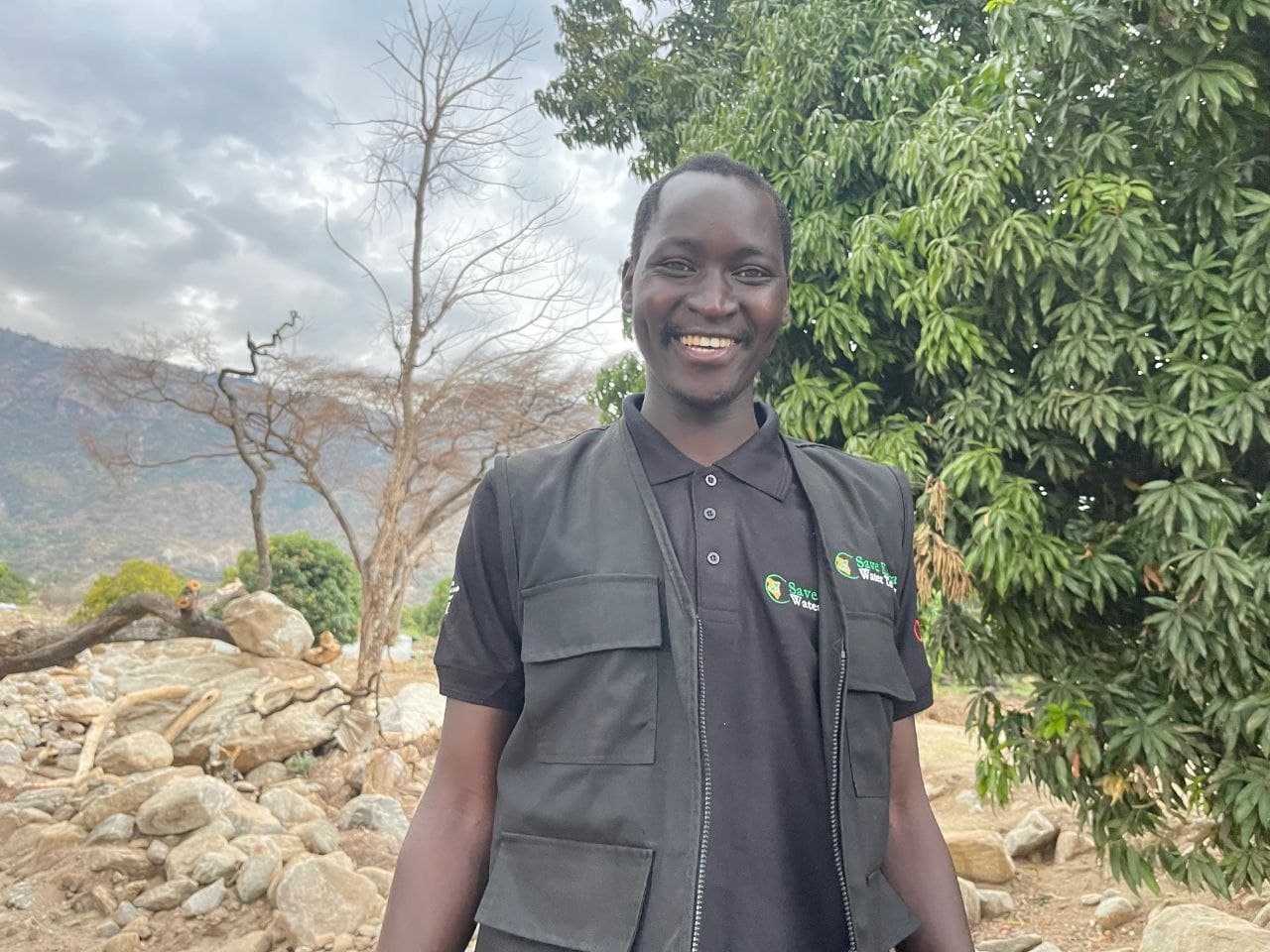
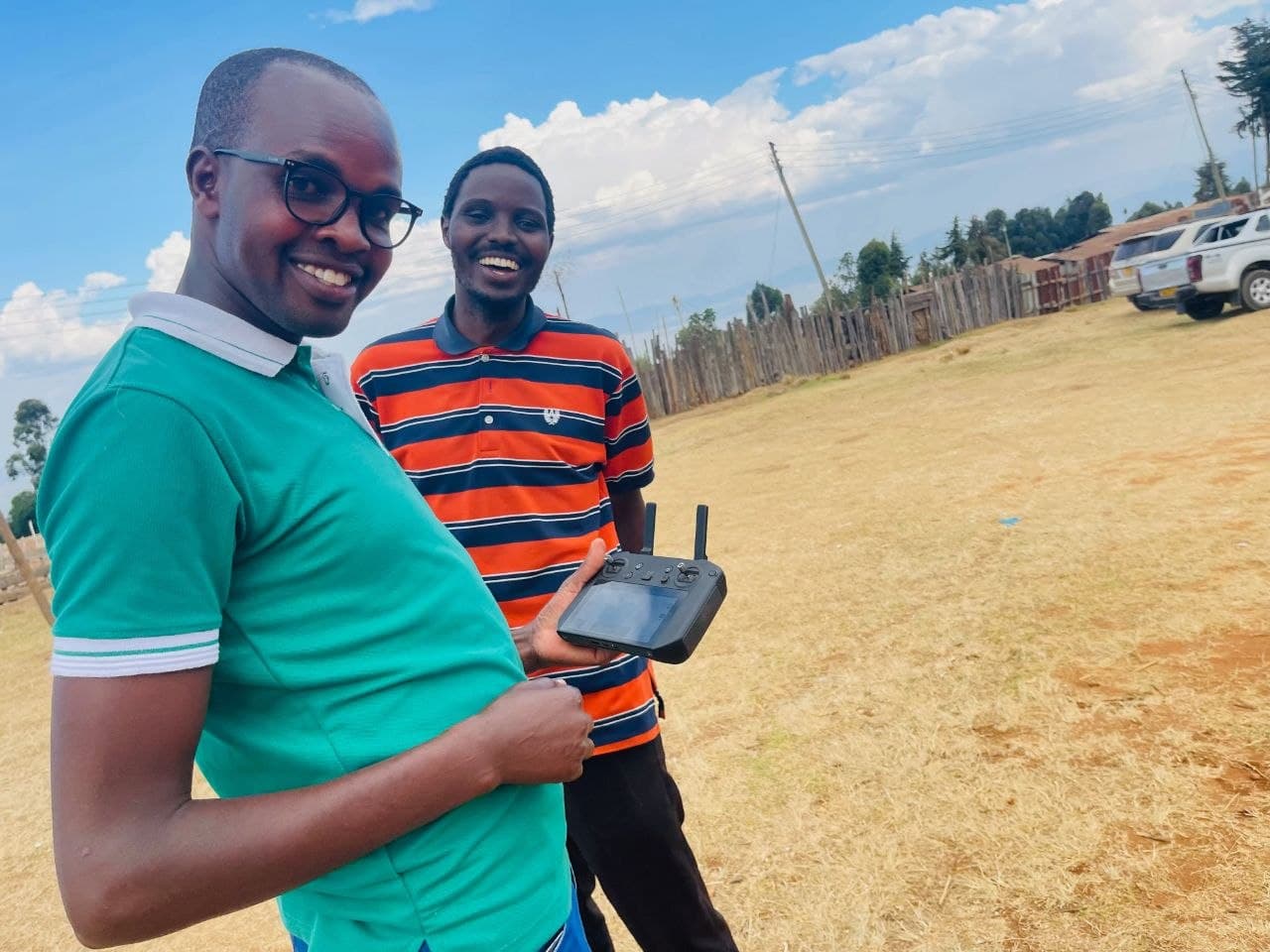
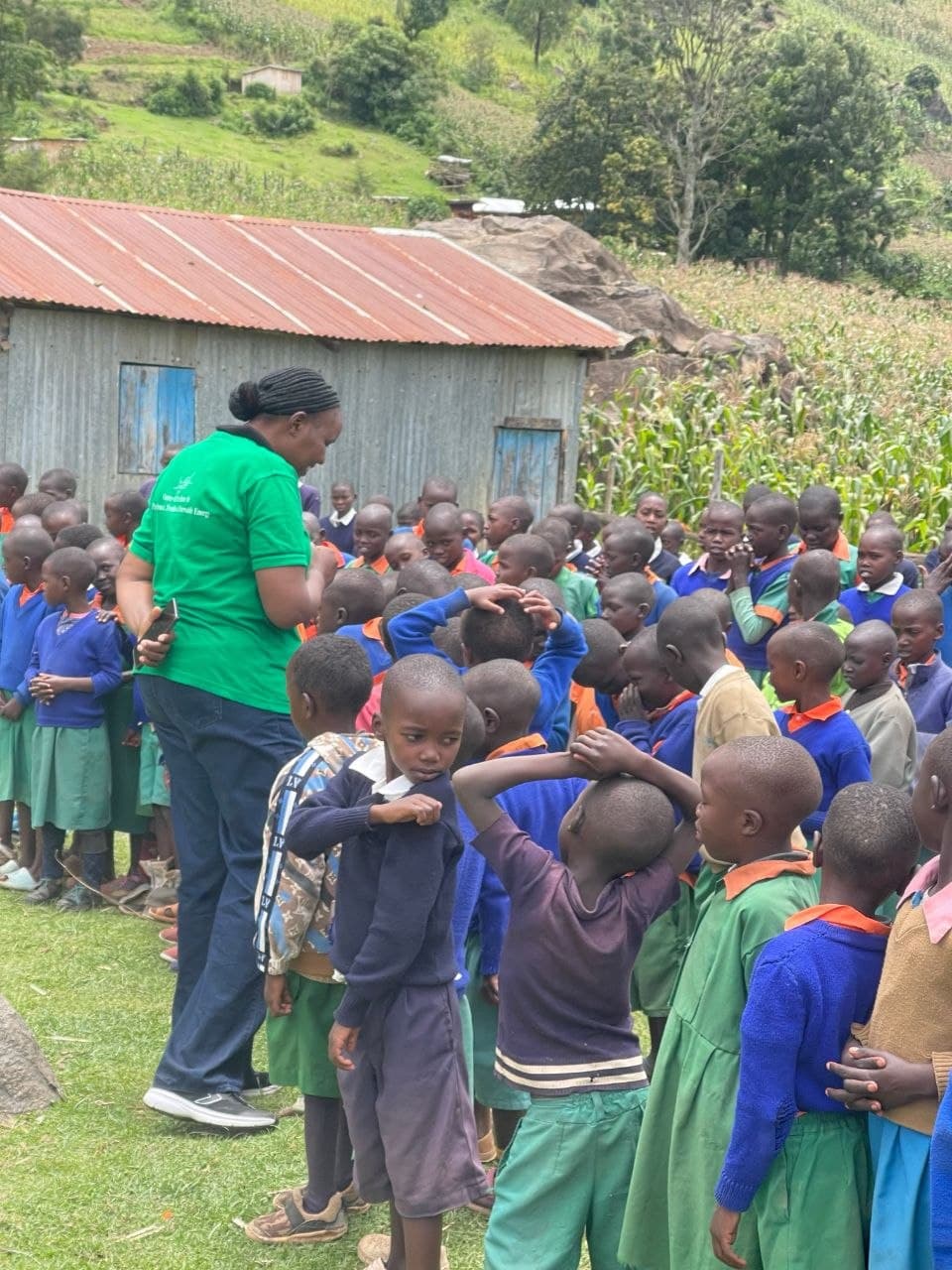
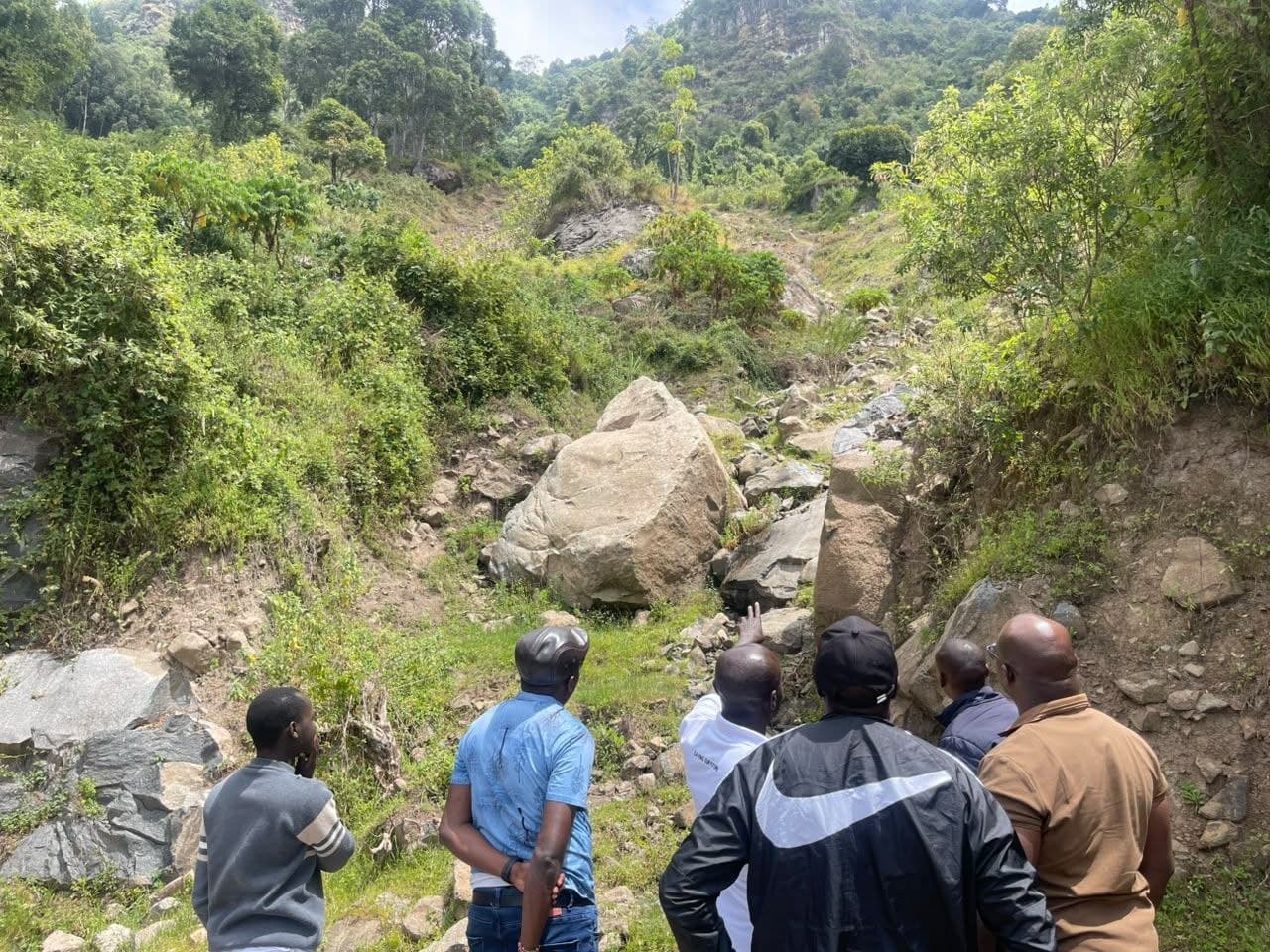
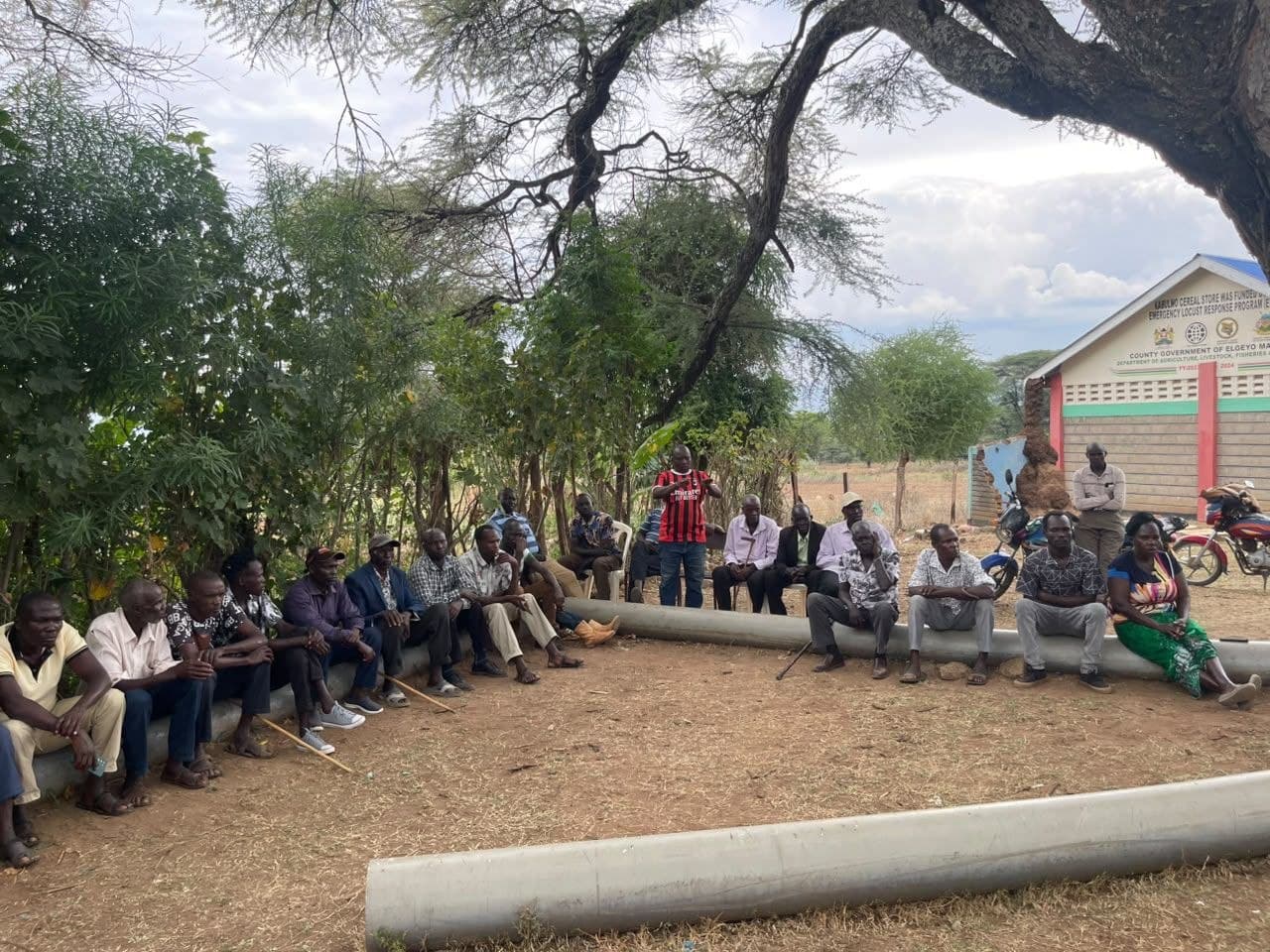
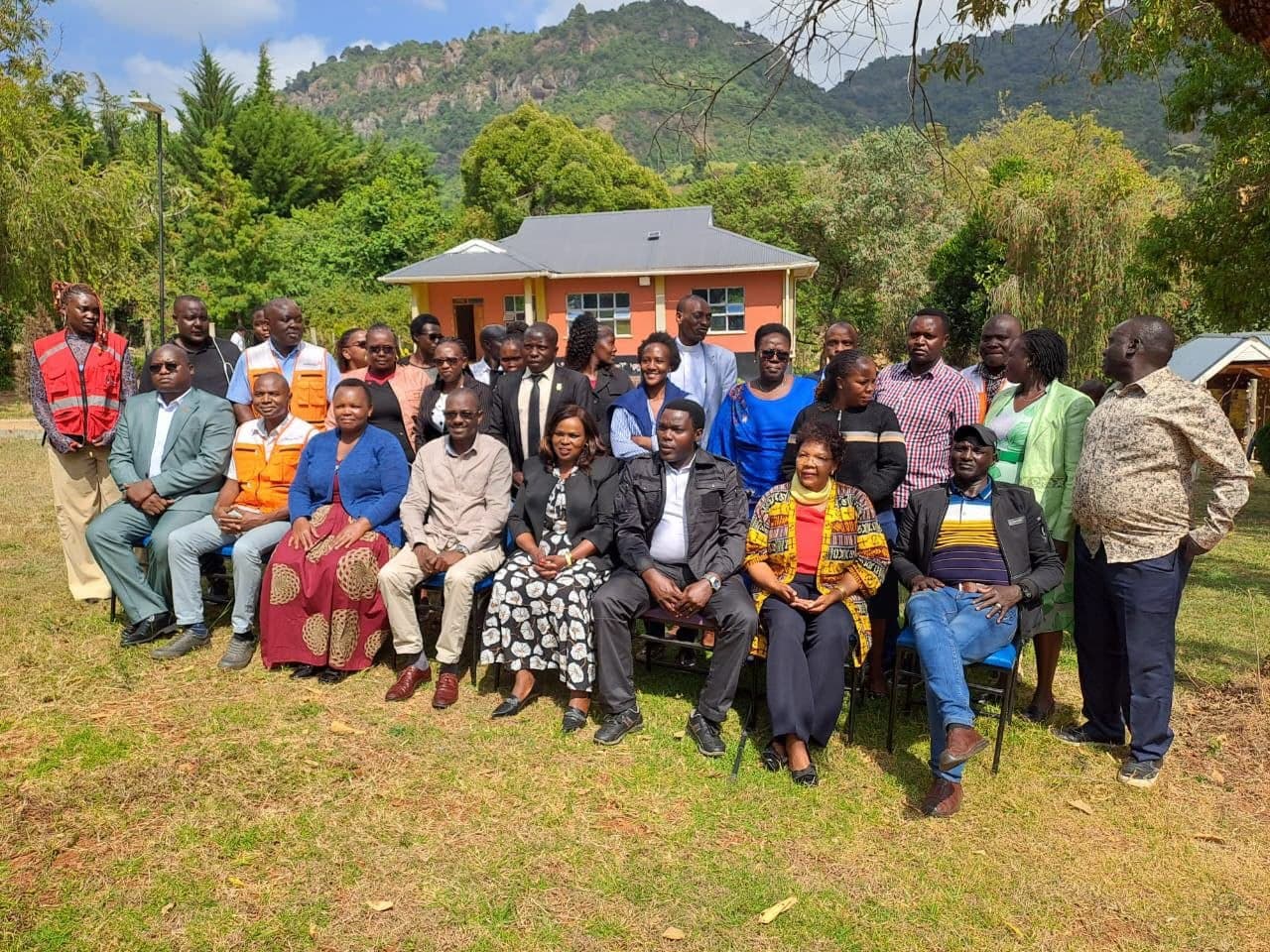
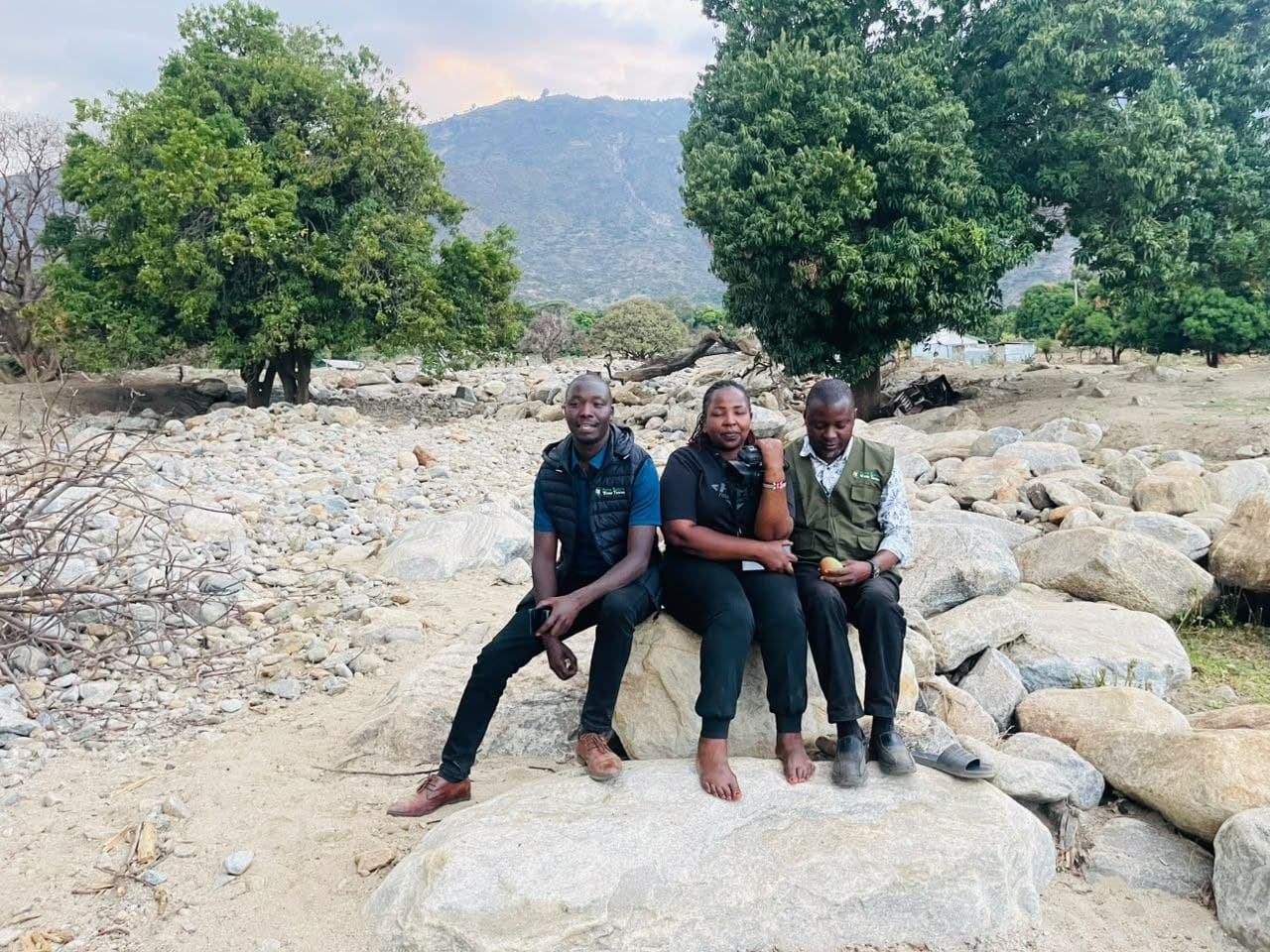
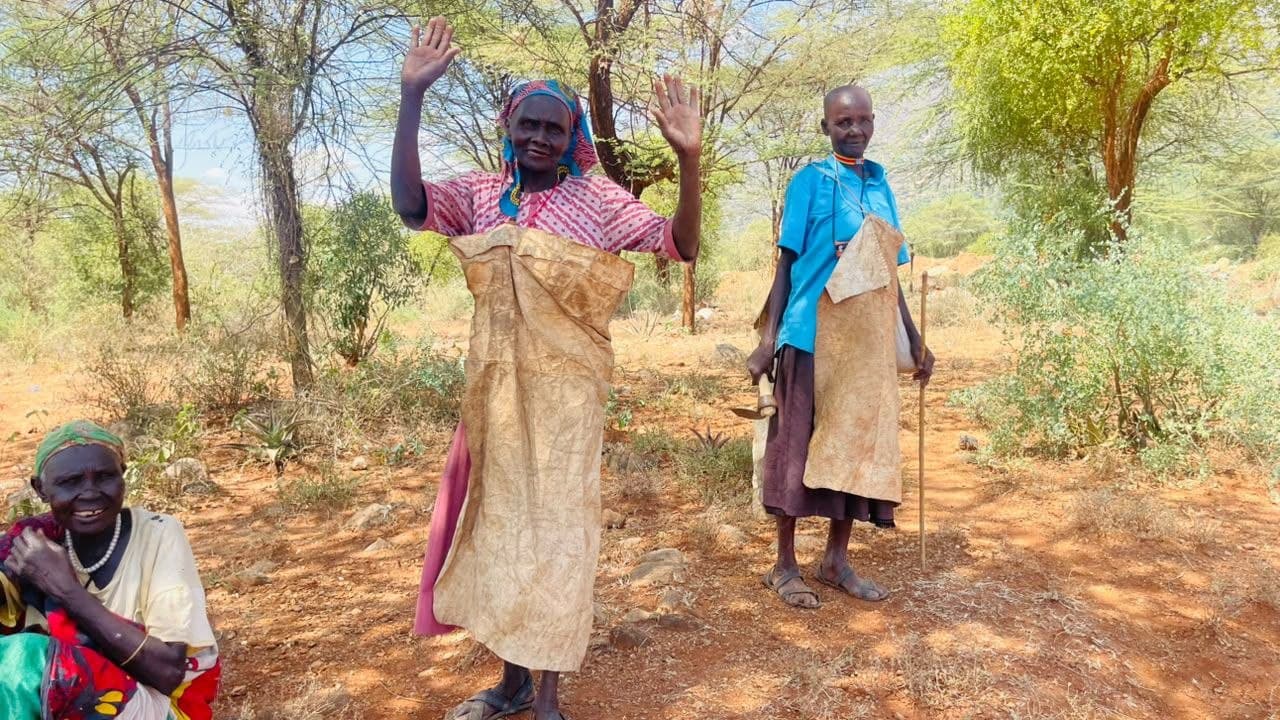
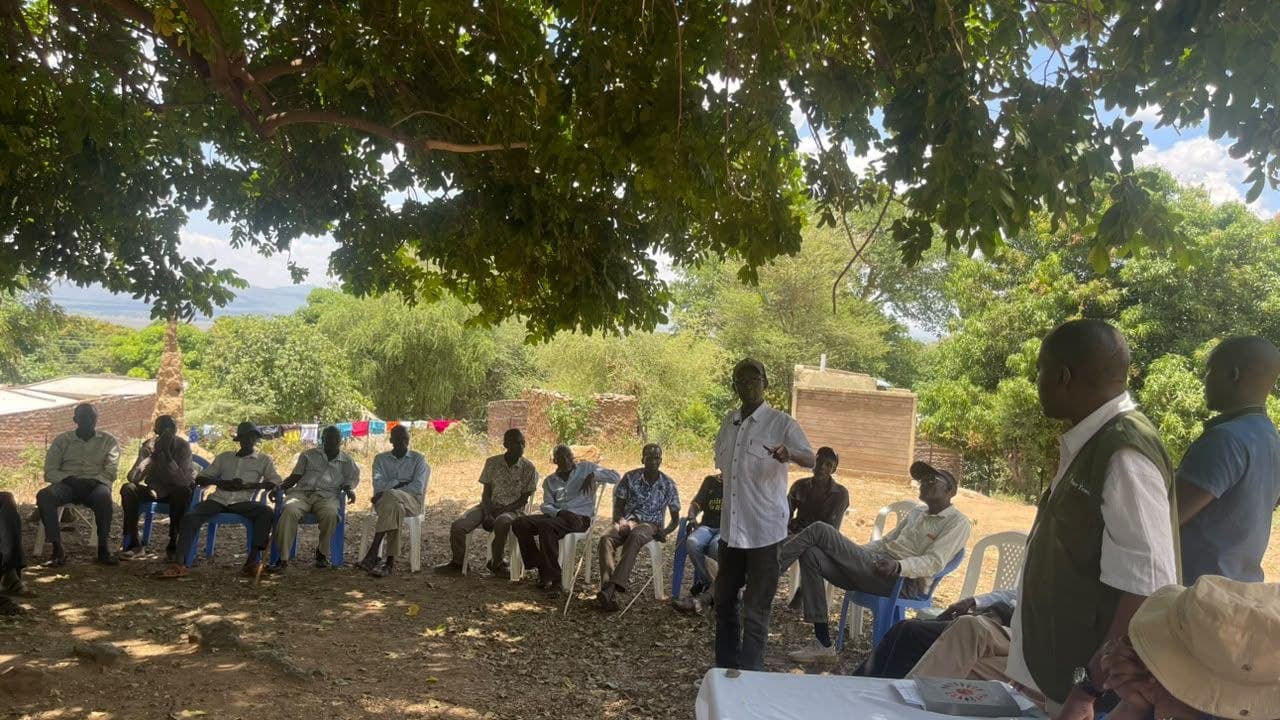
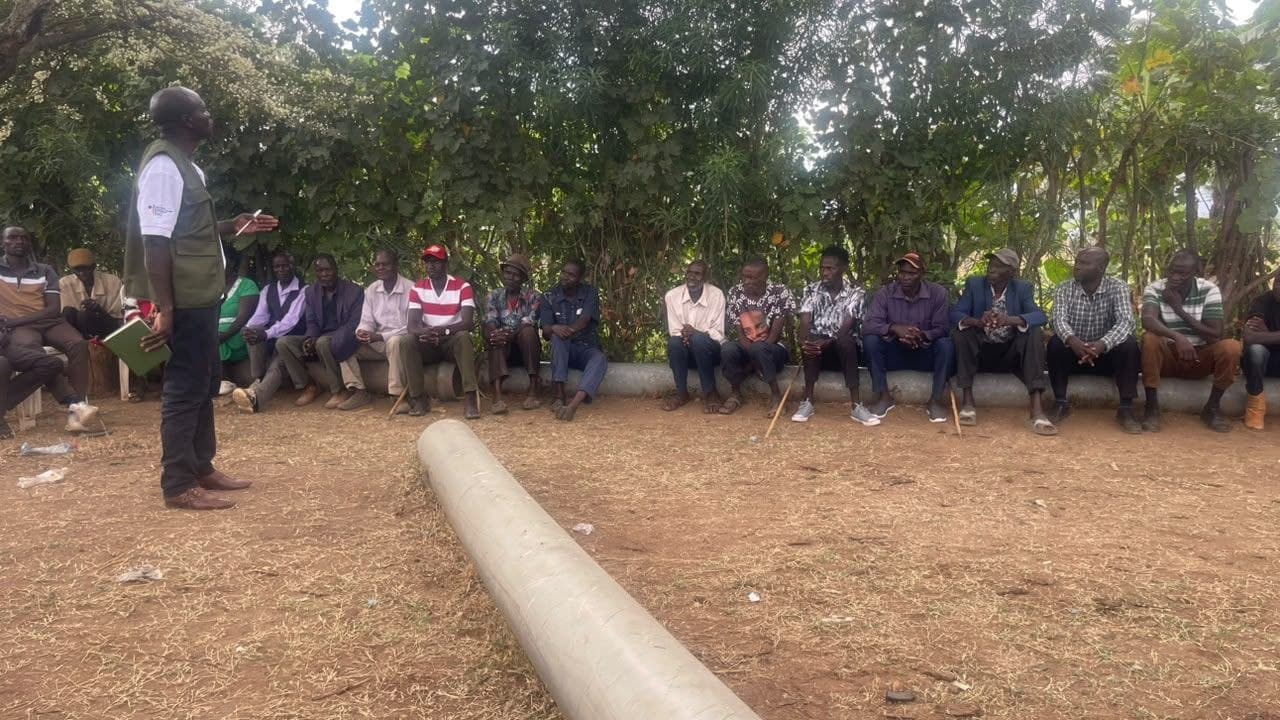
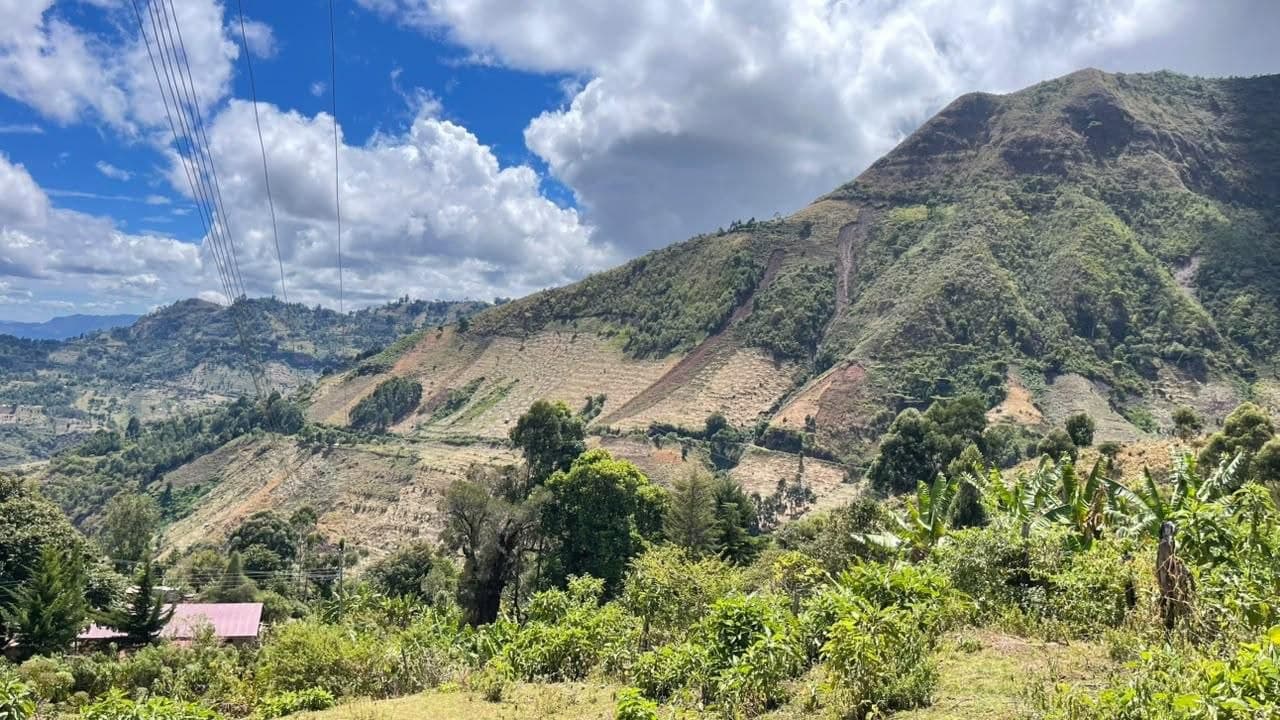
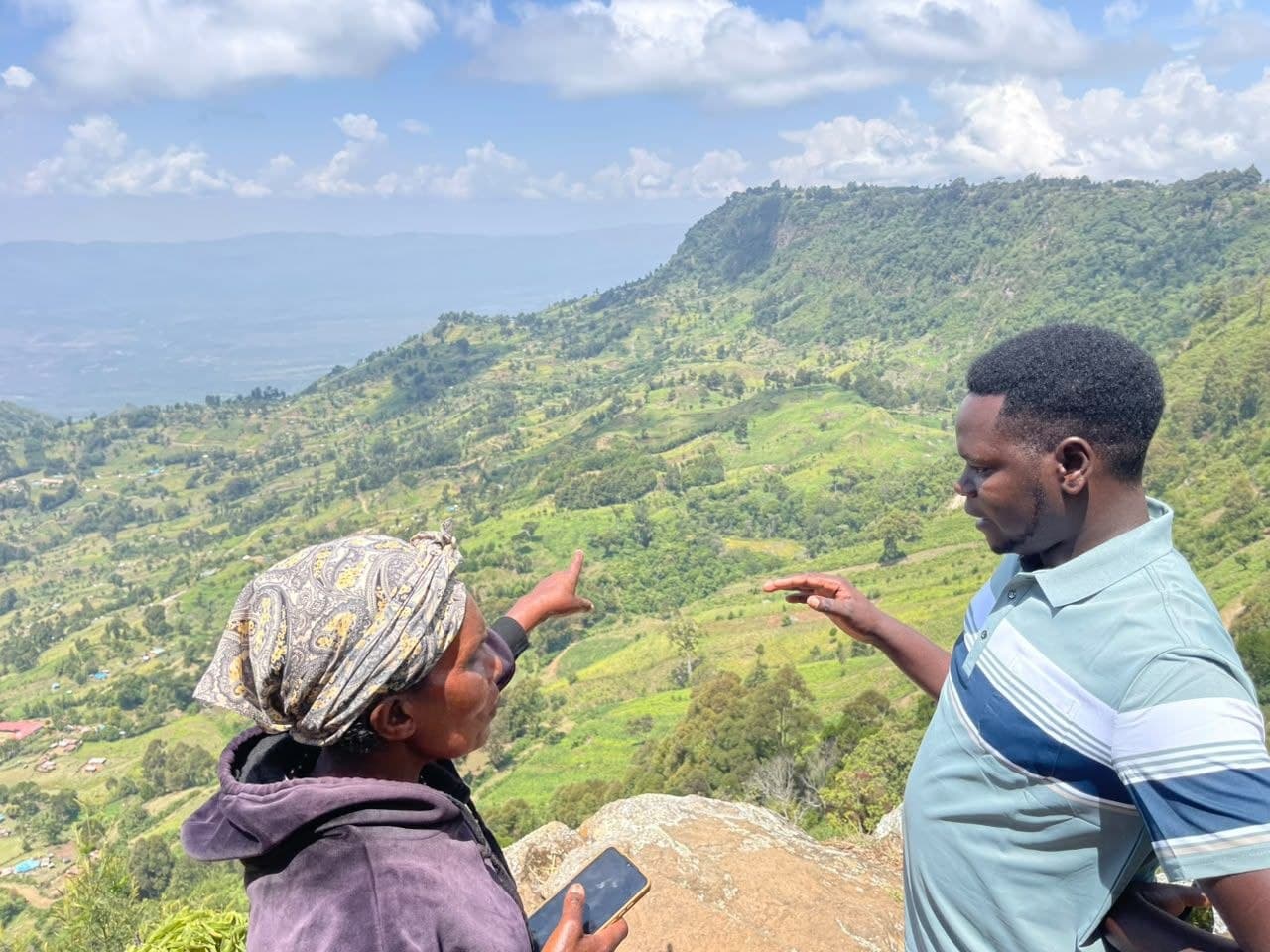
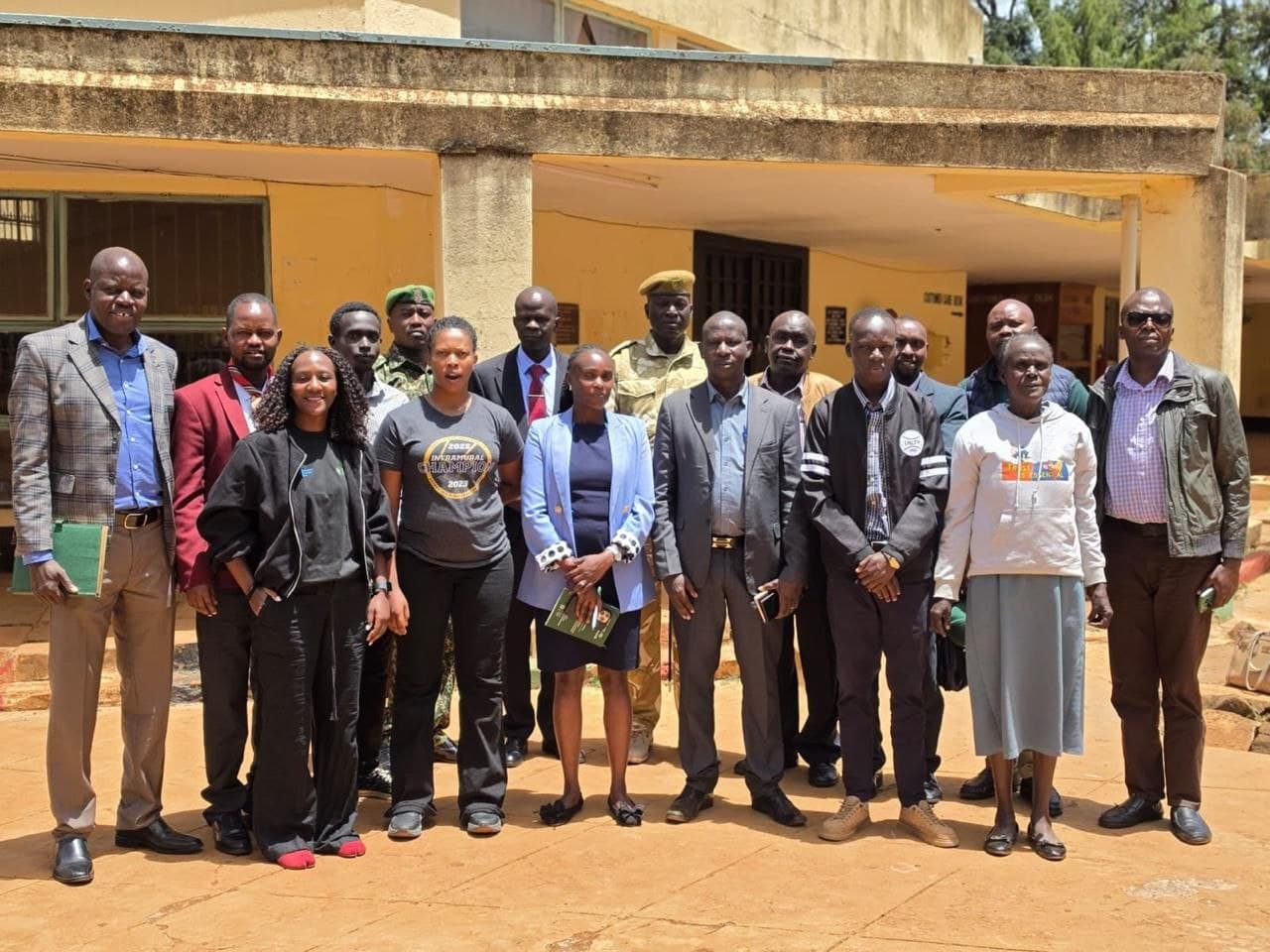
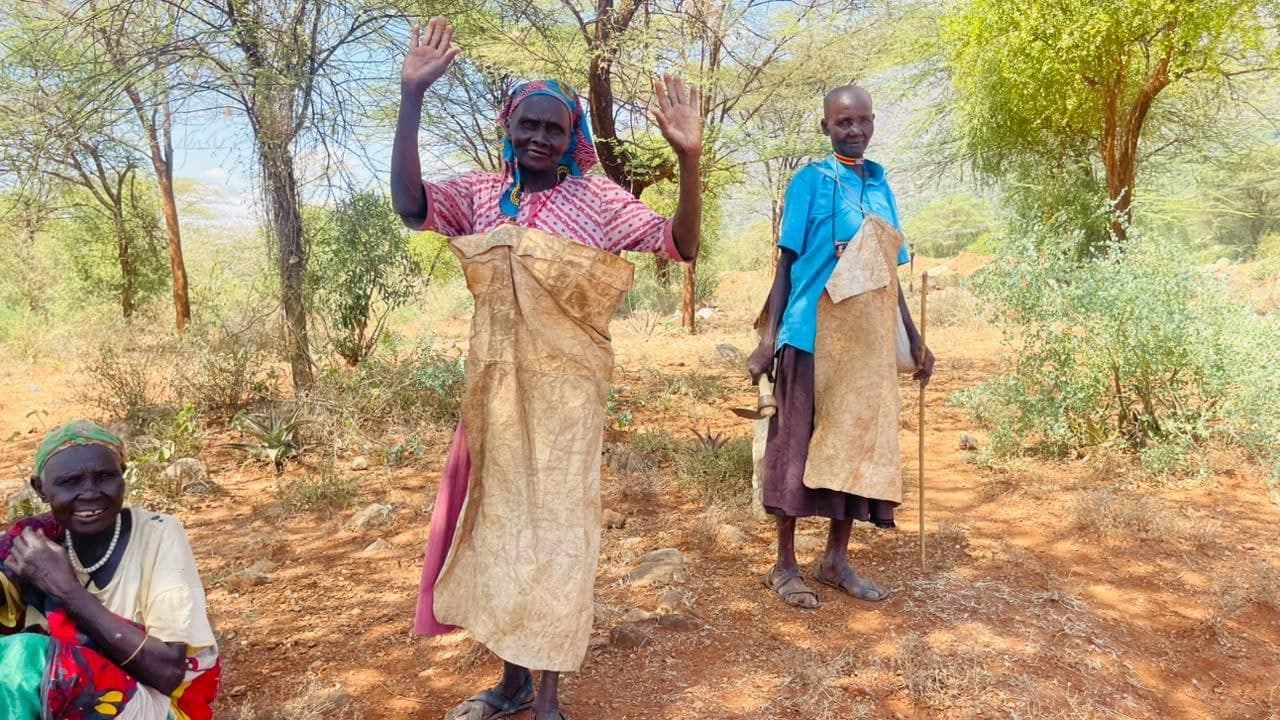
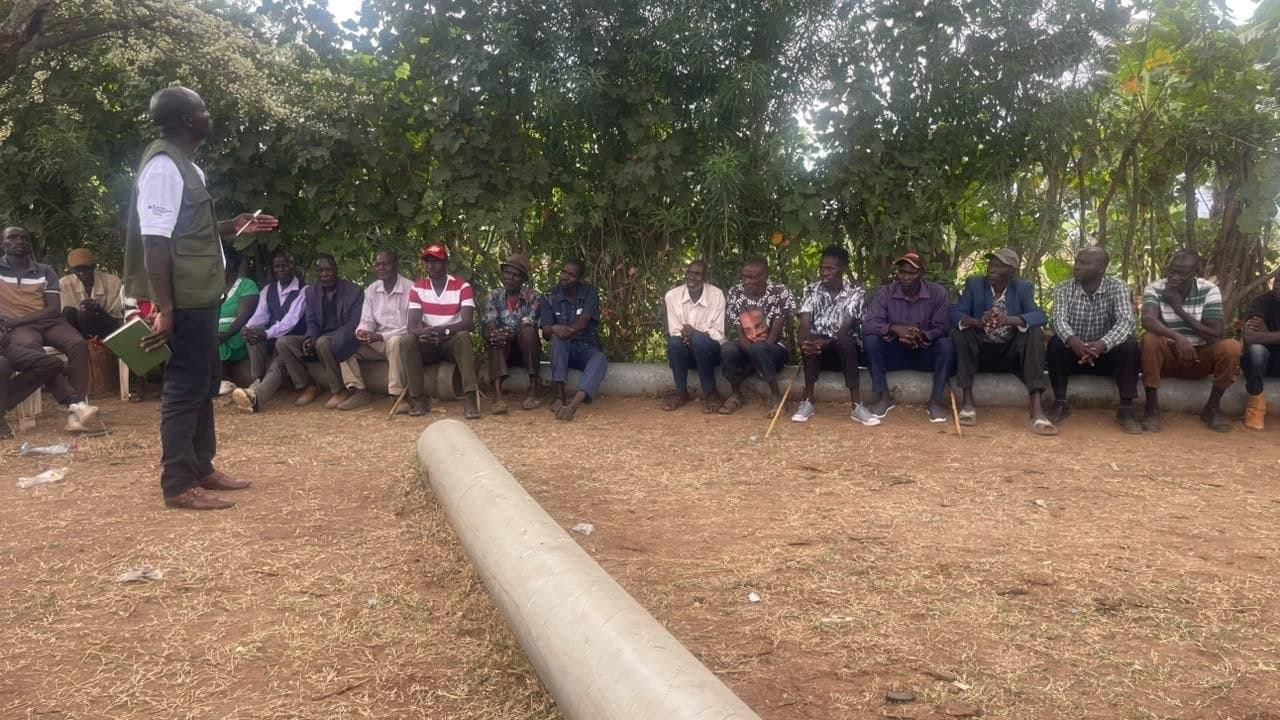
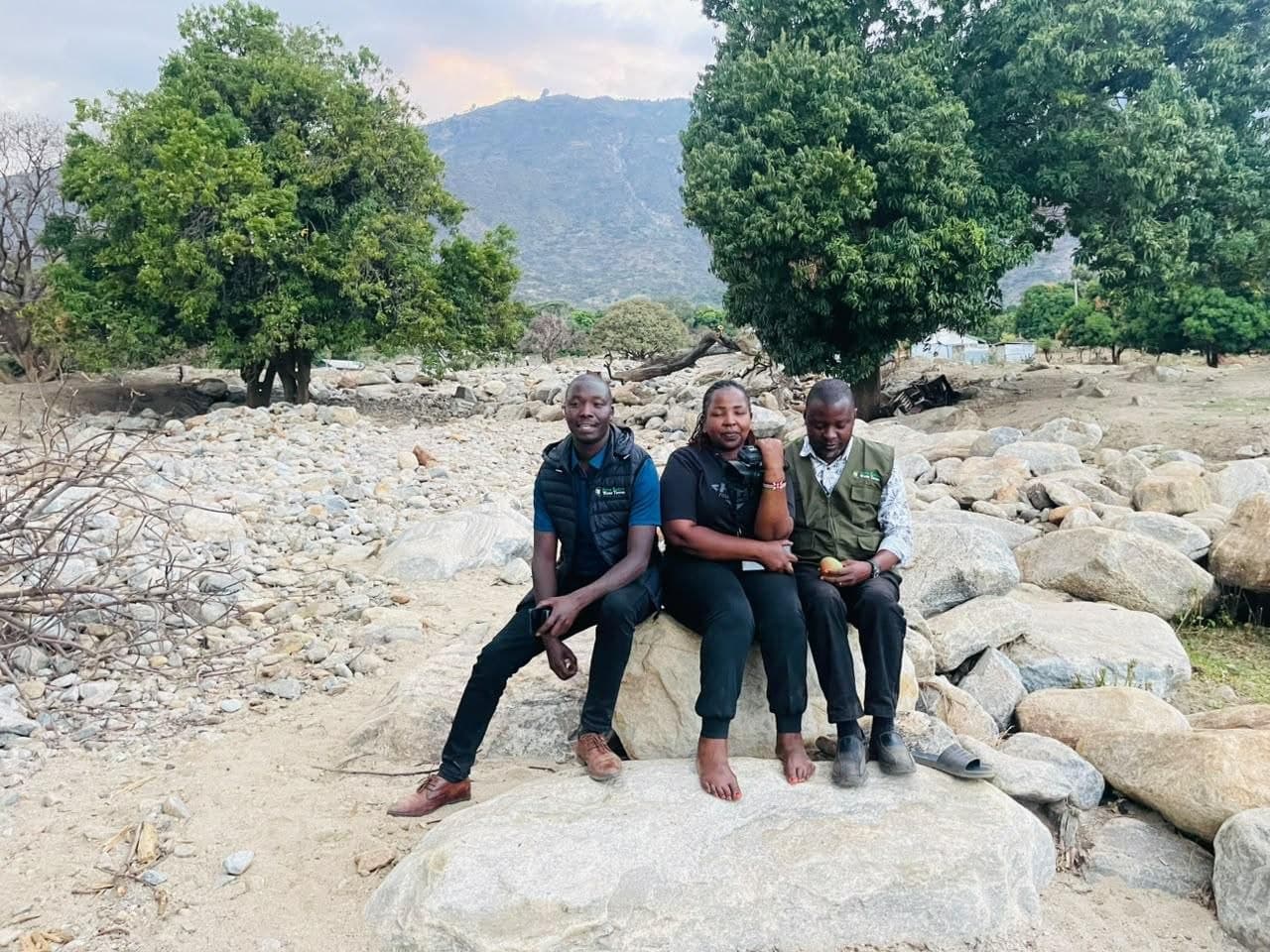
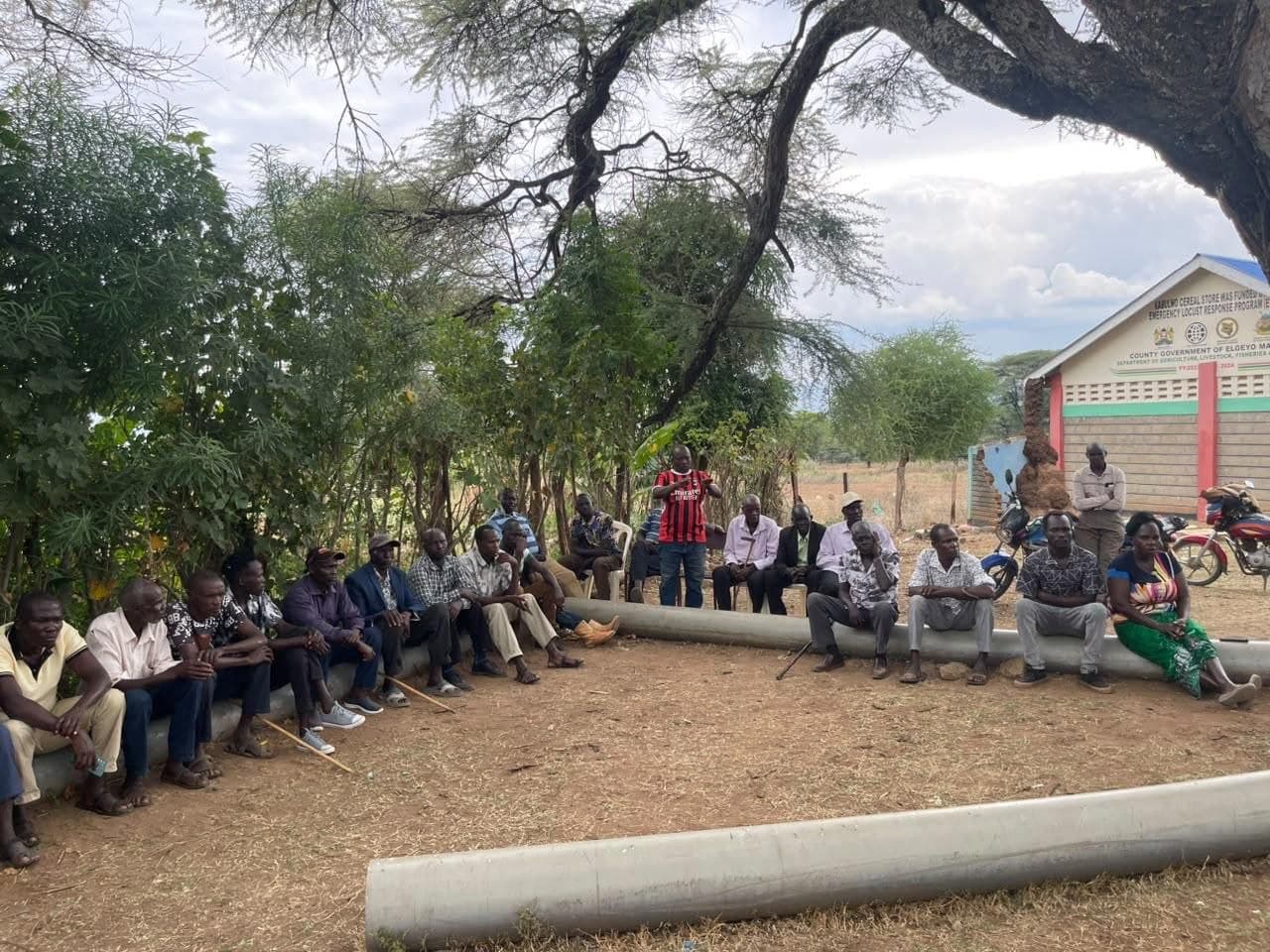
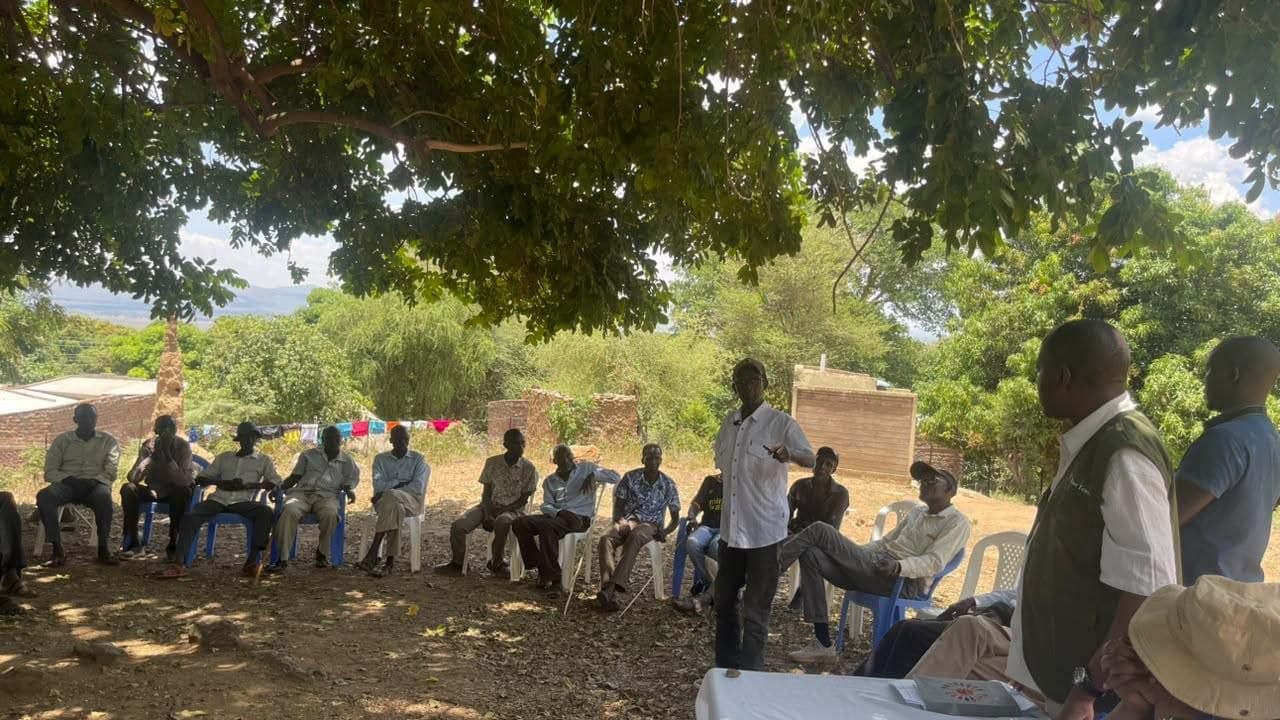
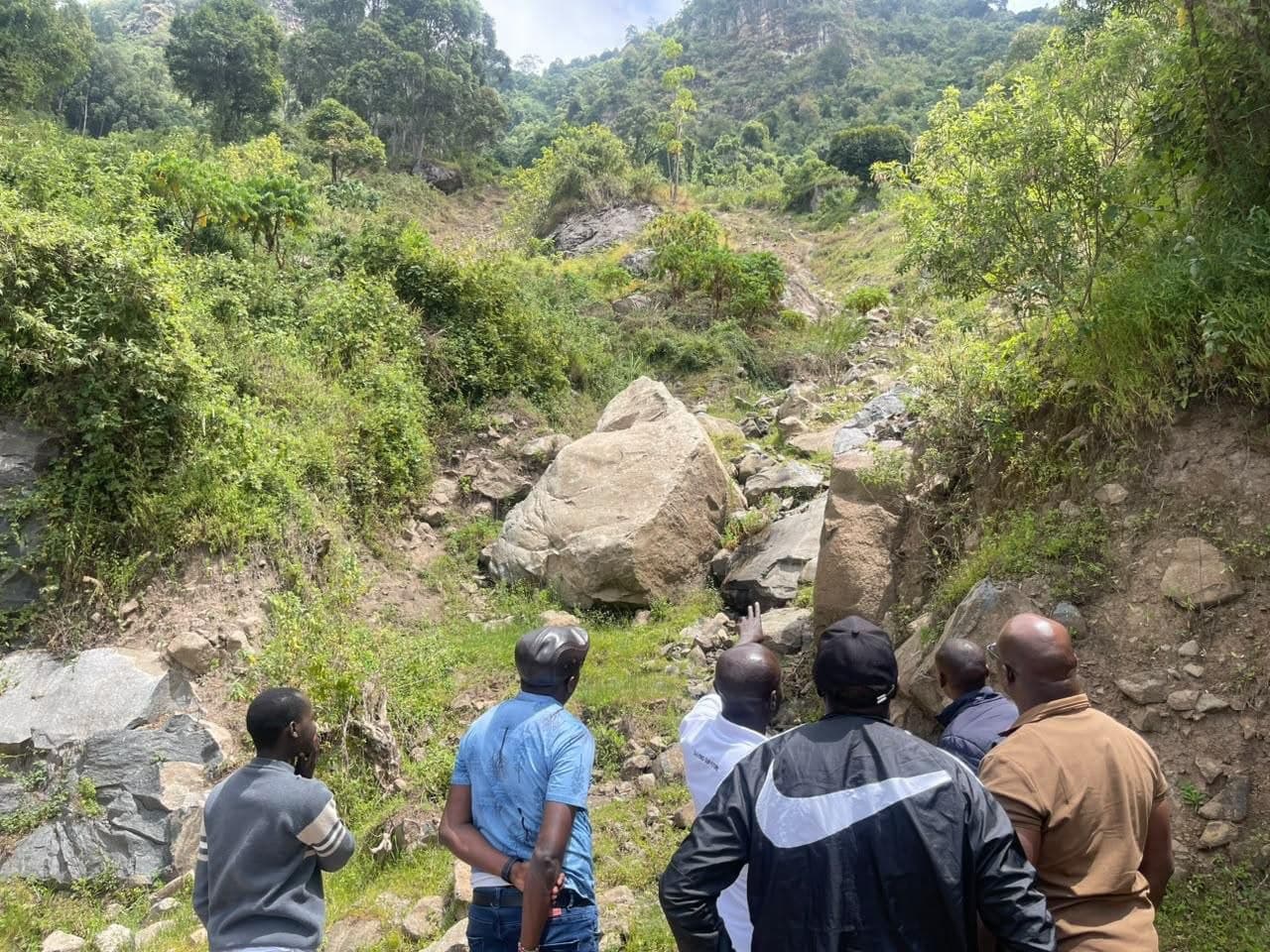
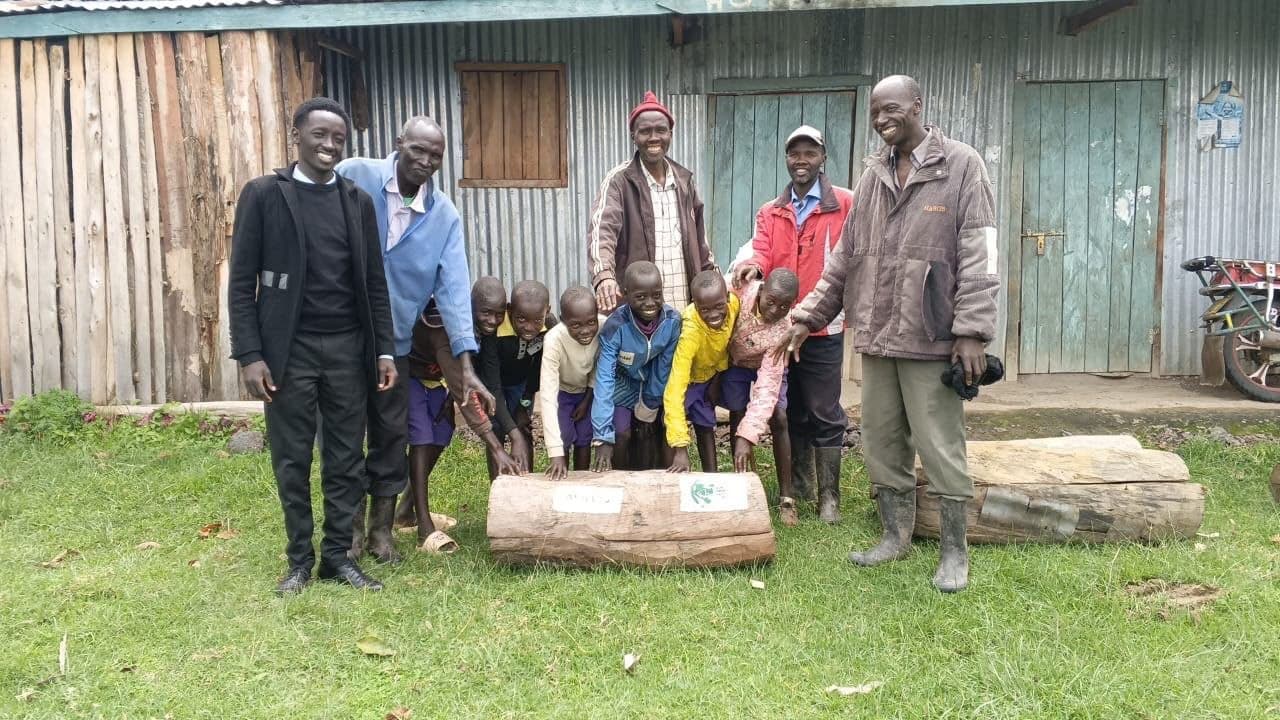
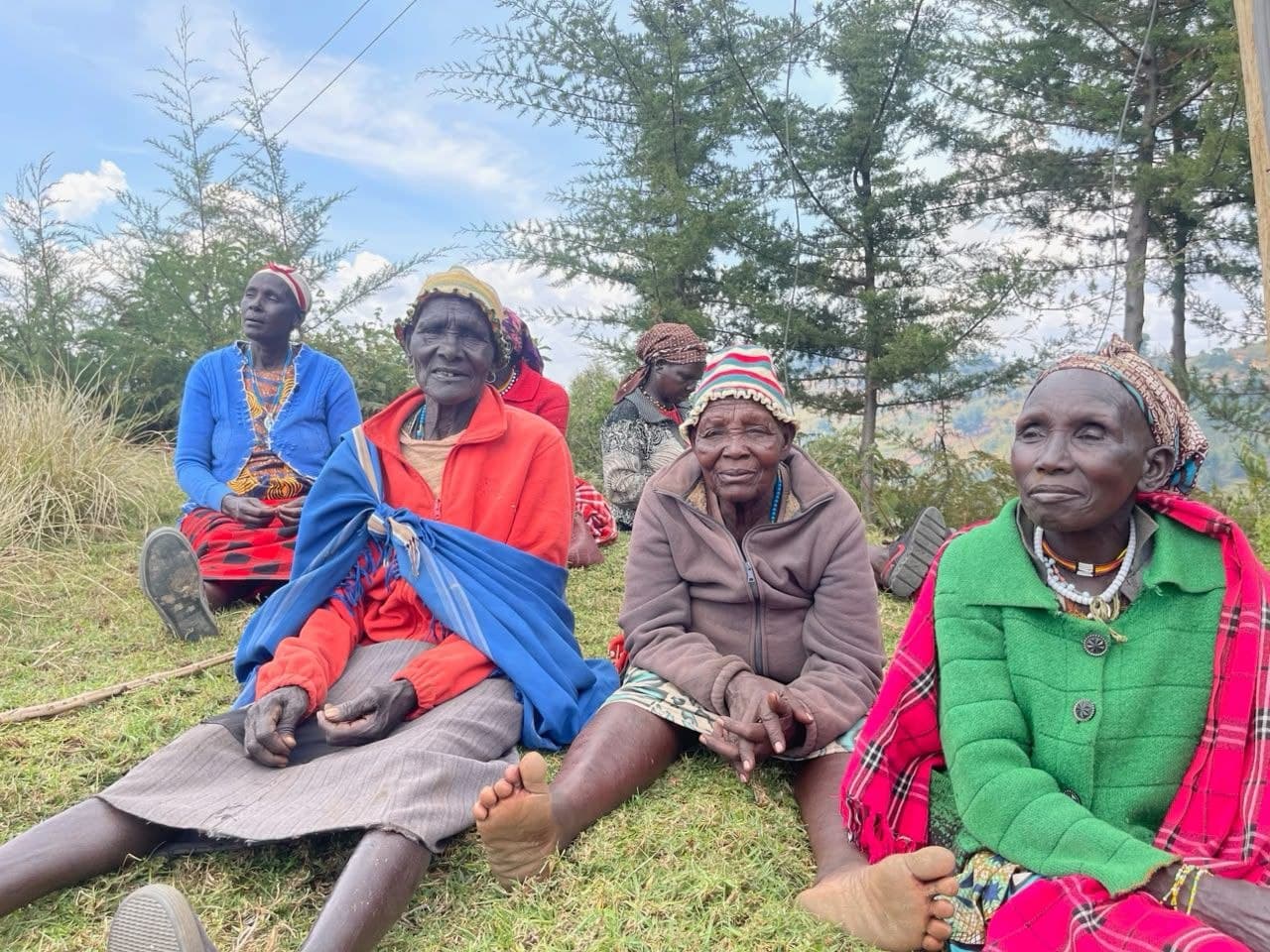
Community first
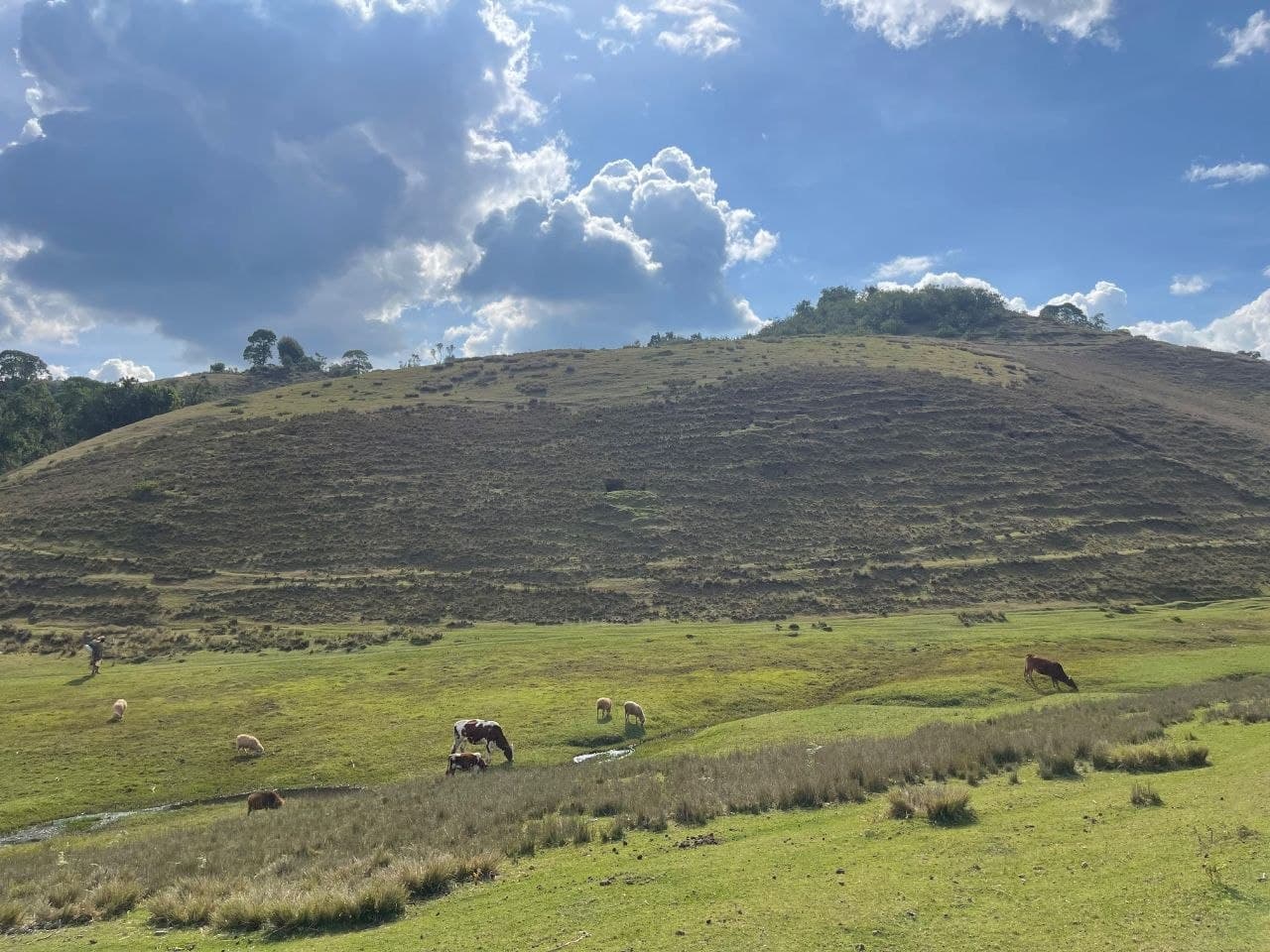
Holding the landscape together
Healthy vegetation anchors soils, regulates water and sustains livelihoods.
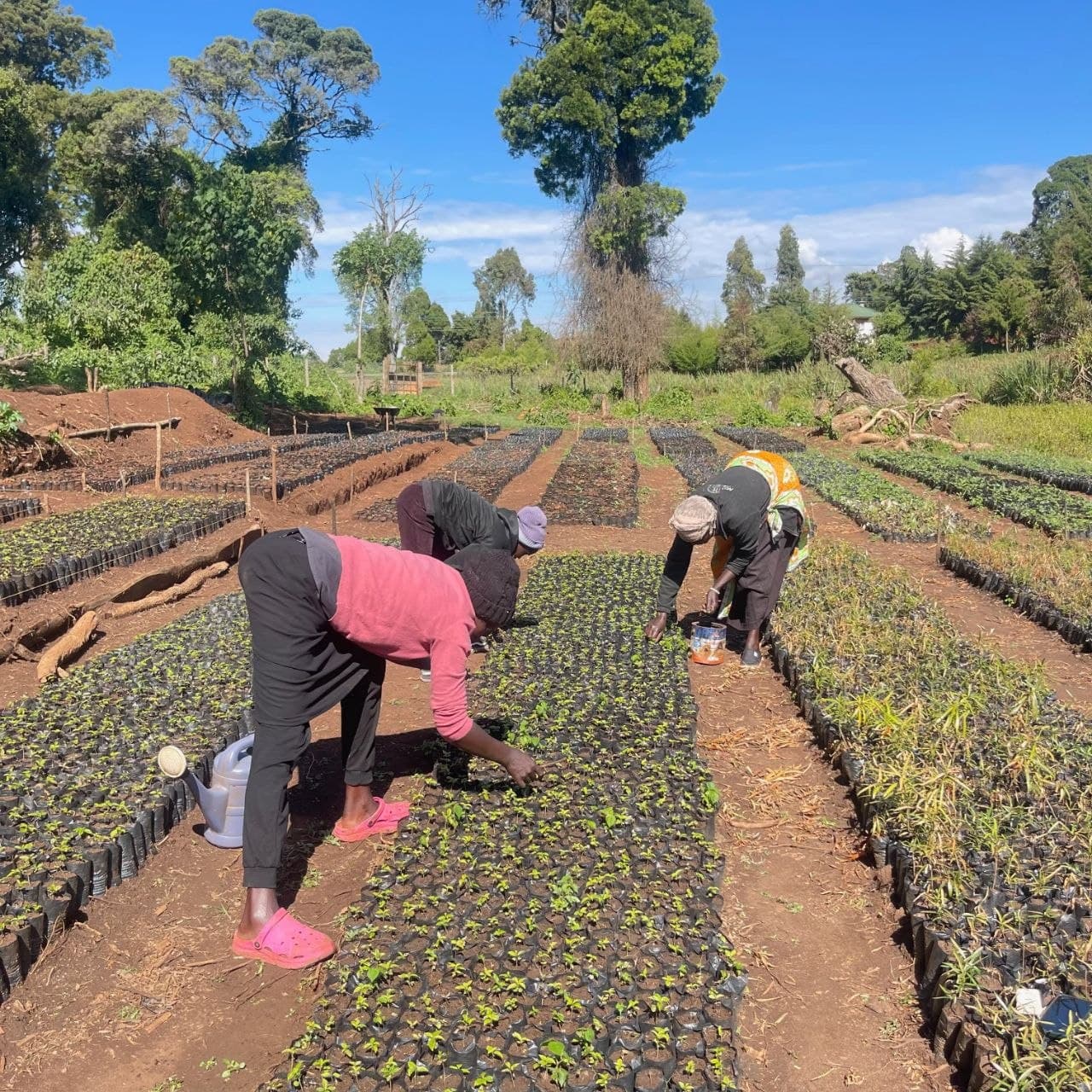
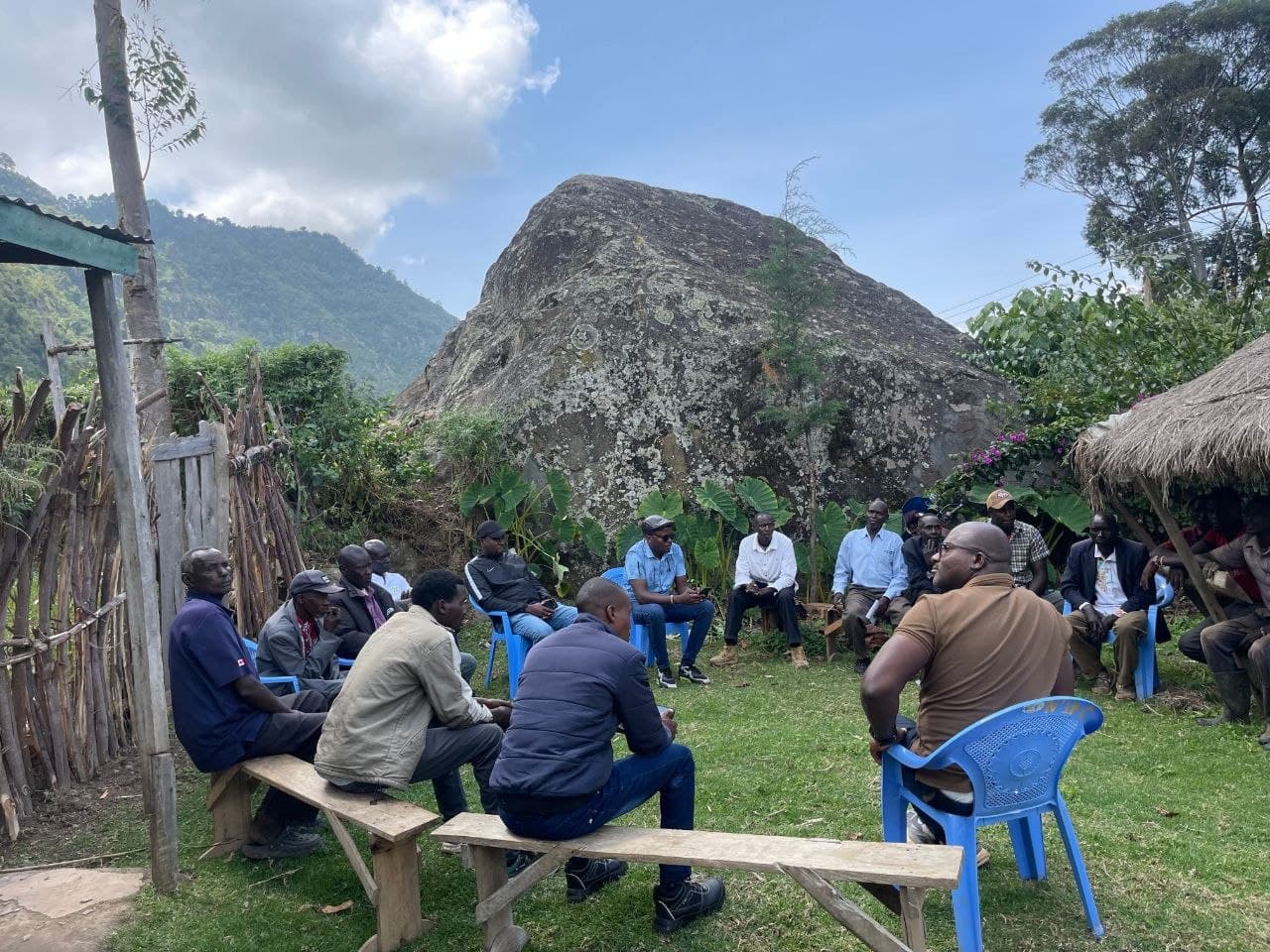
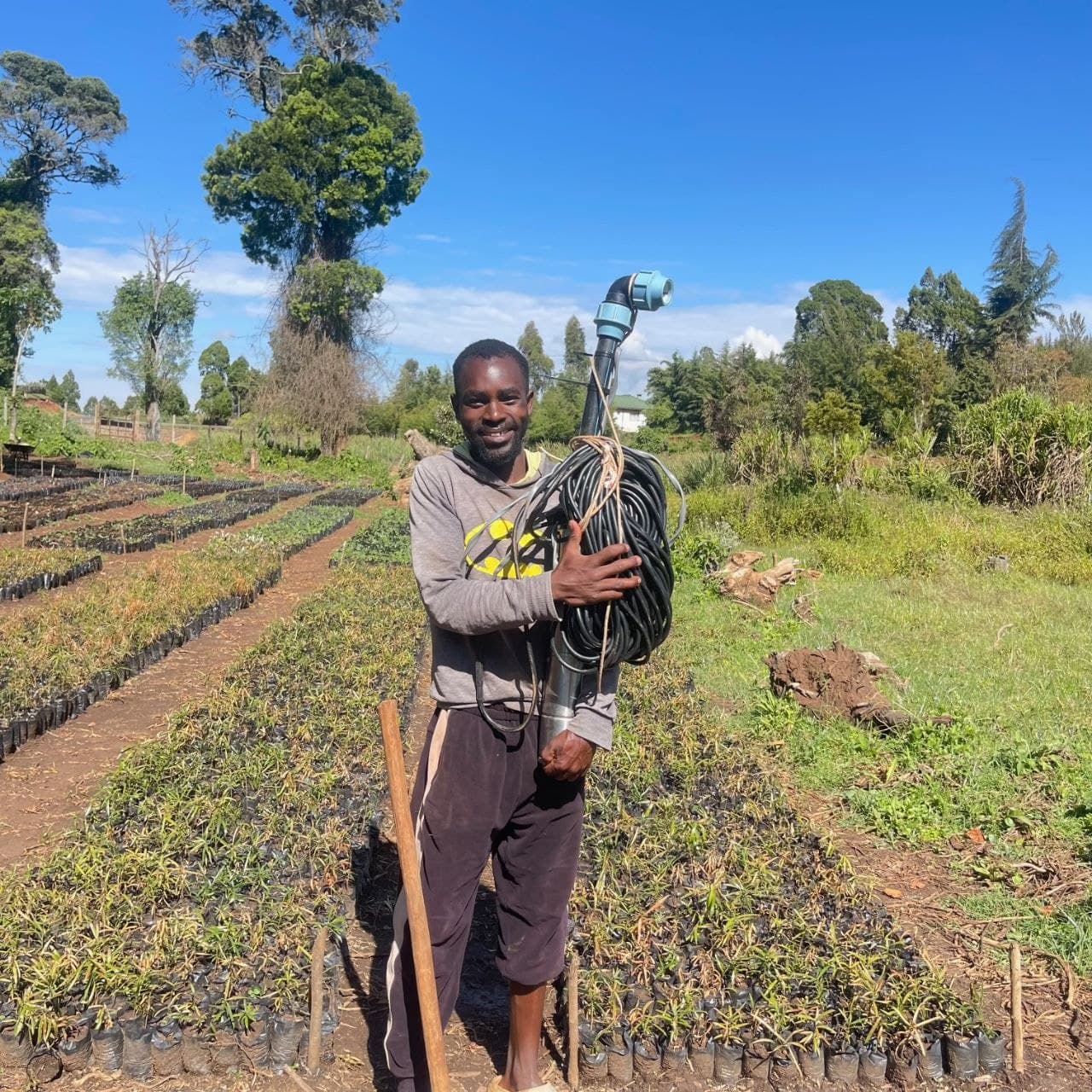
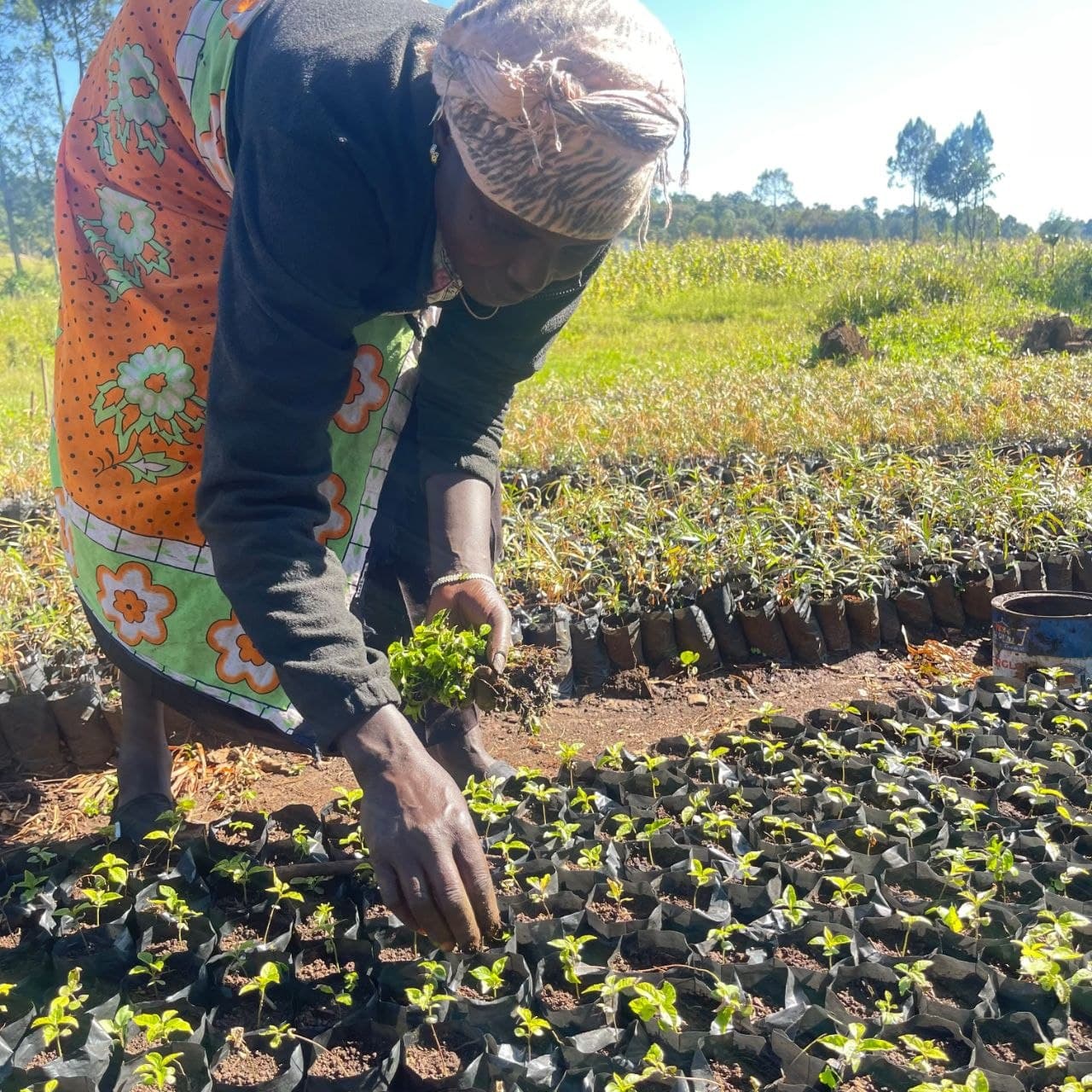
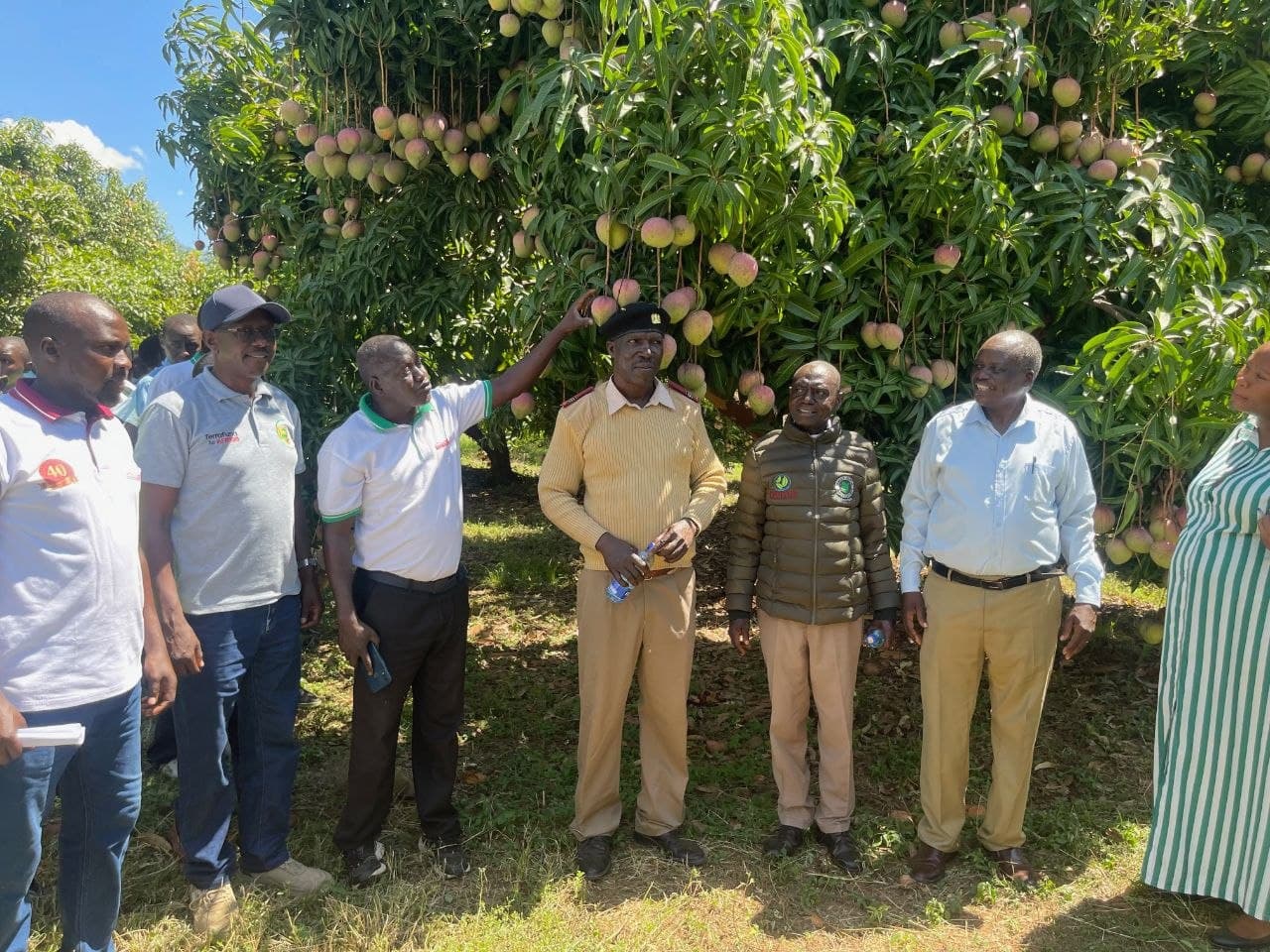
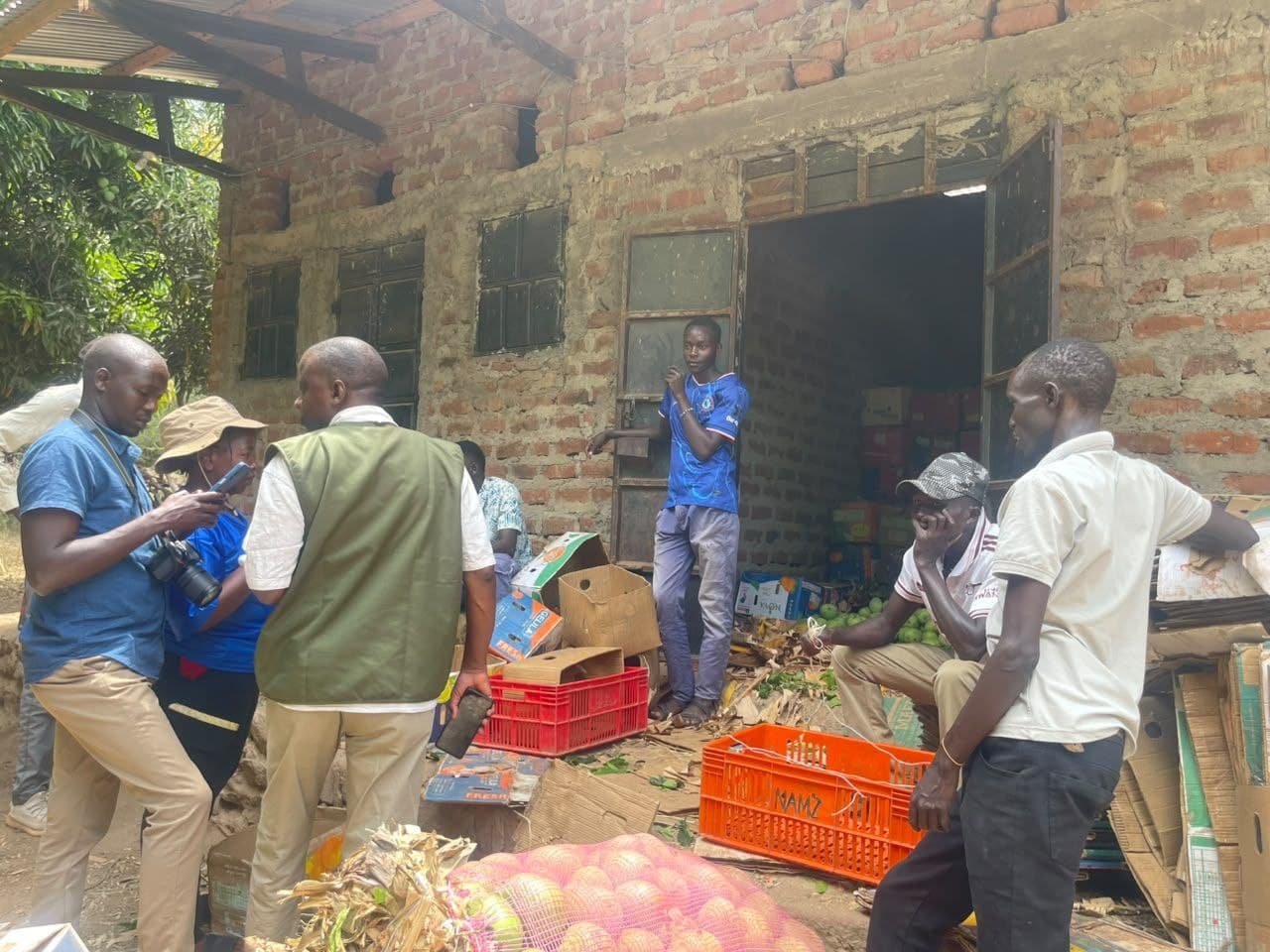
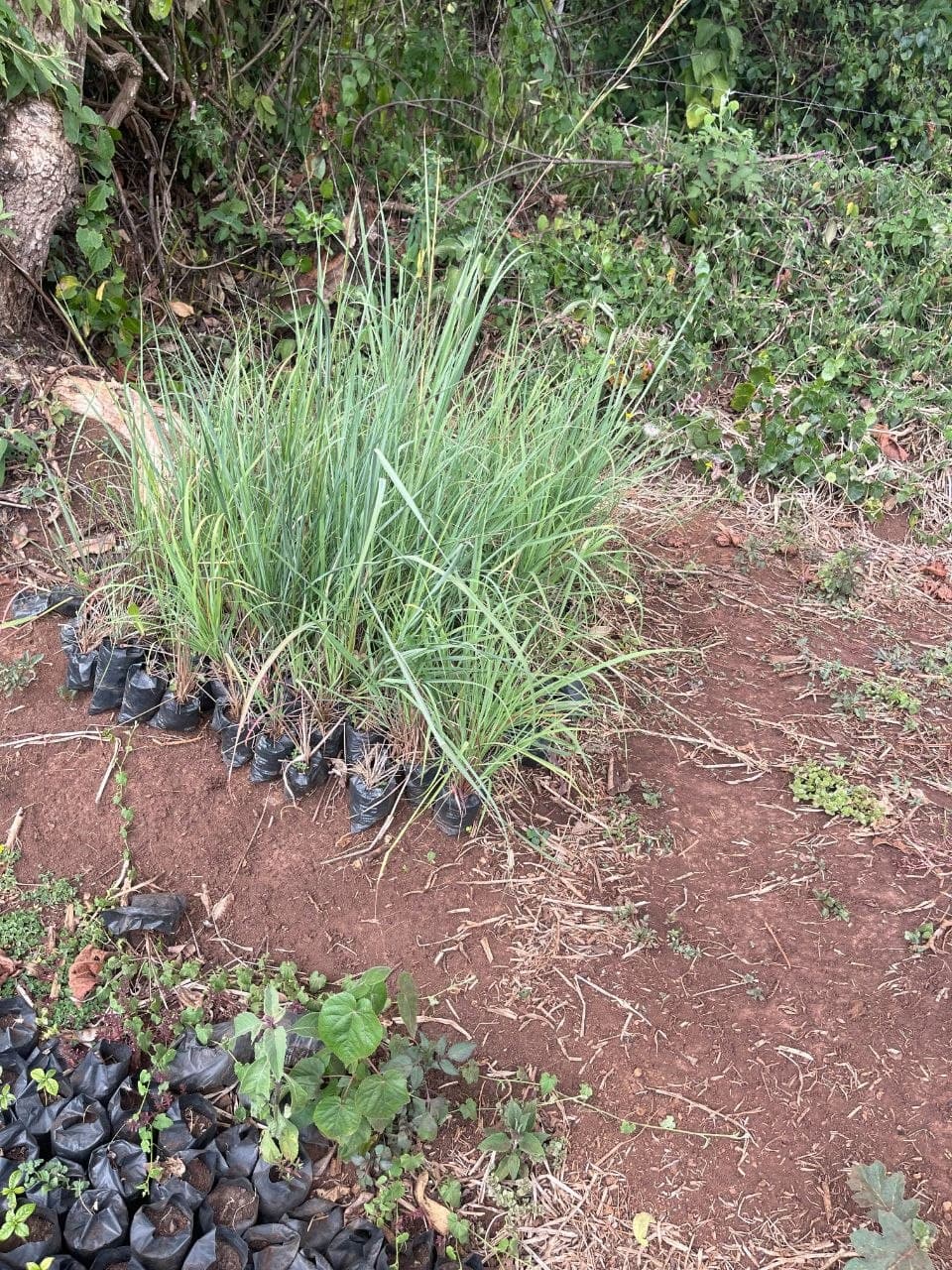
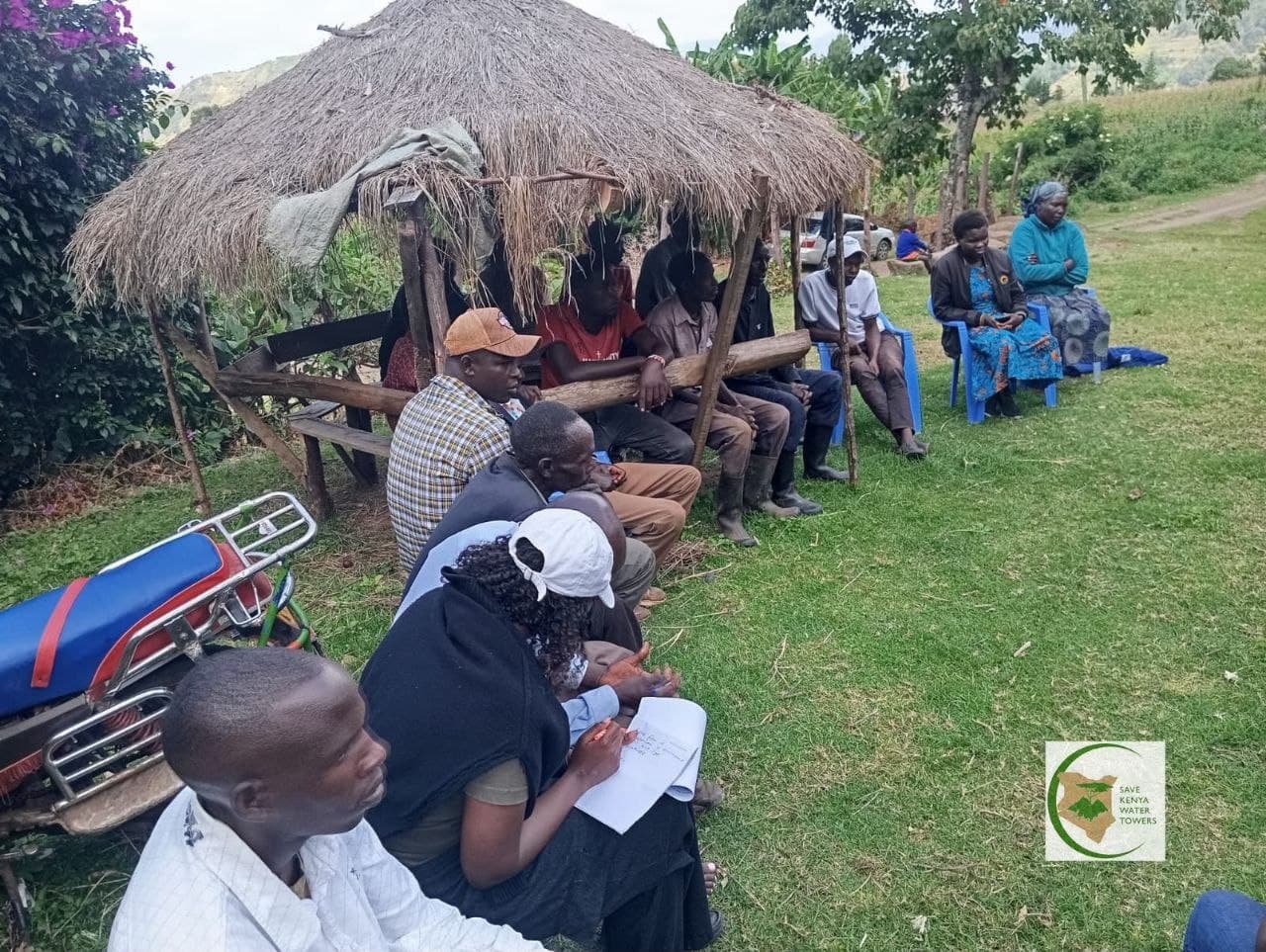
Nurseries, farms, forest patrols, and community days.
See our projects →A closer look
Restoration, led by the people who know this land.
7 moments from the field
Why this matters
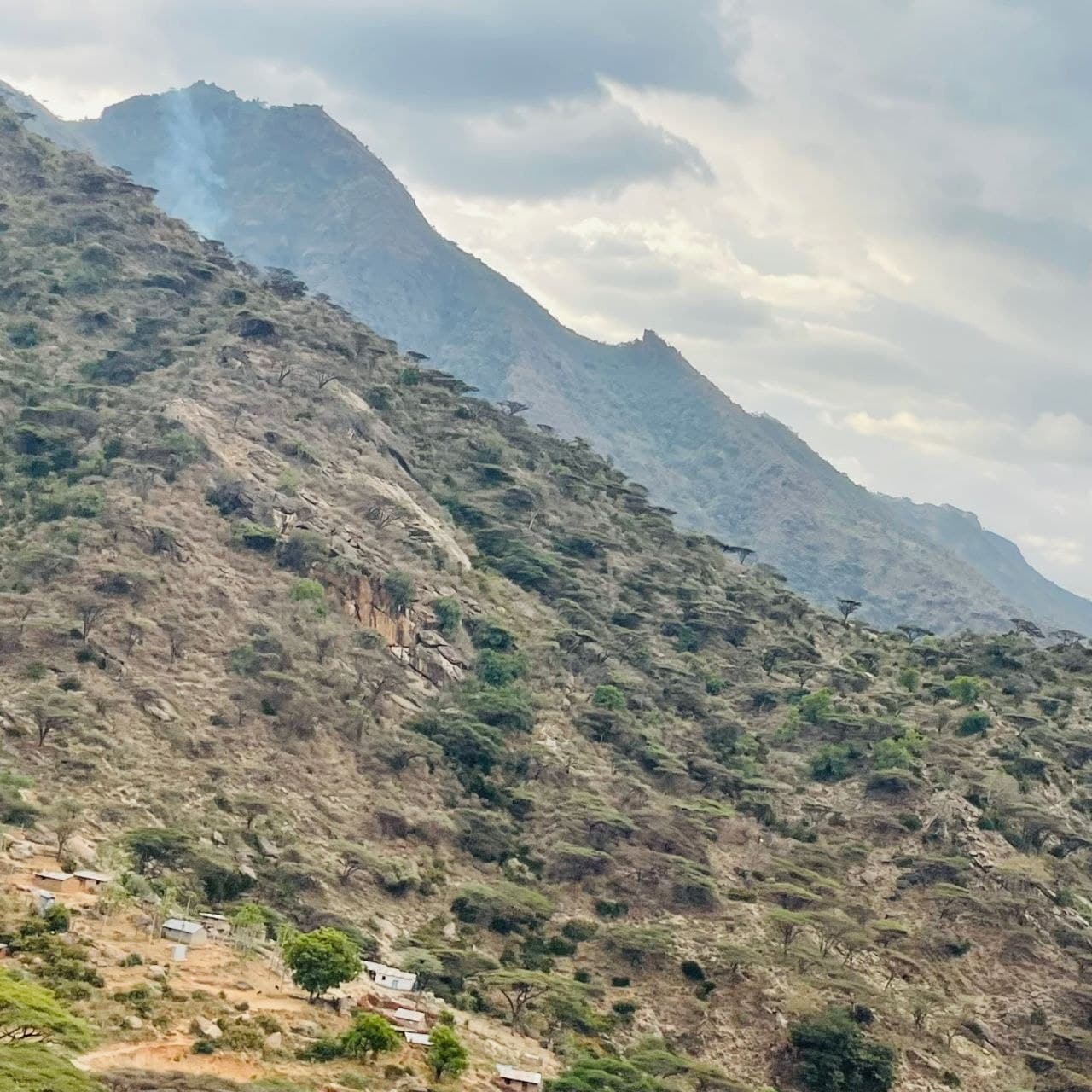
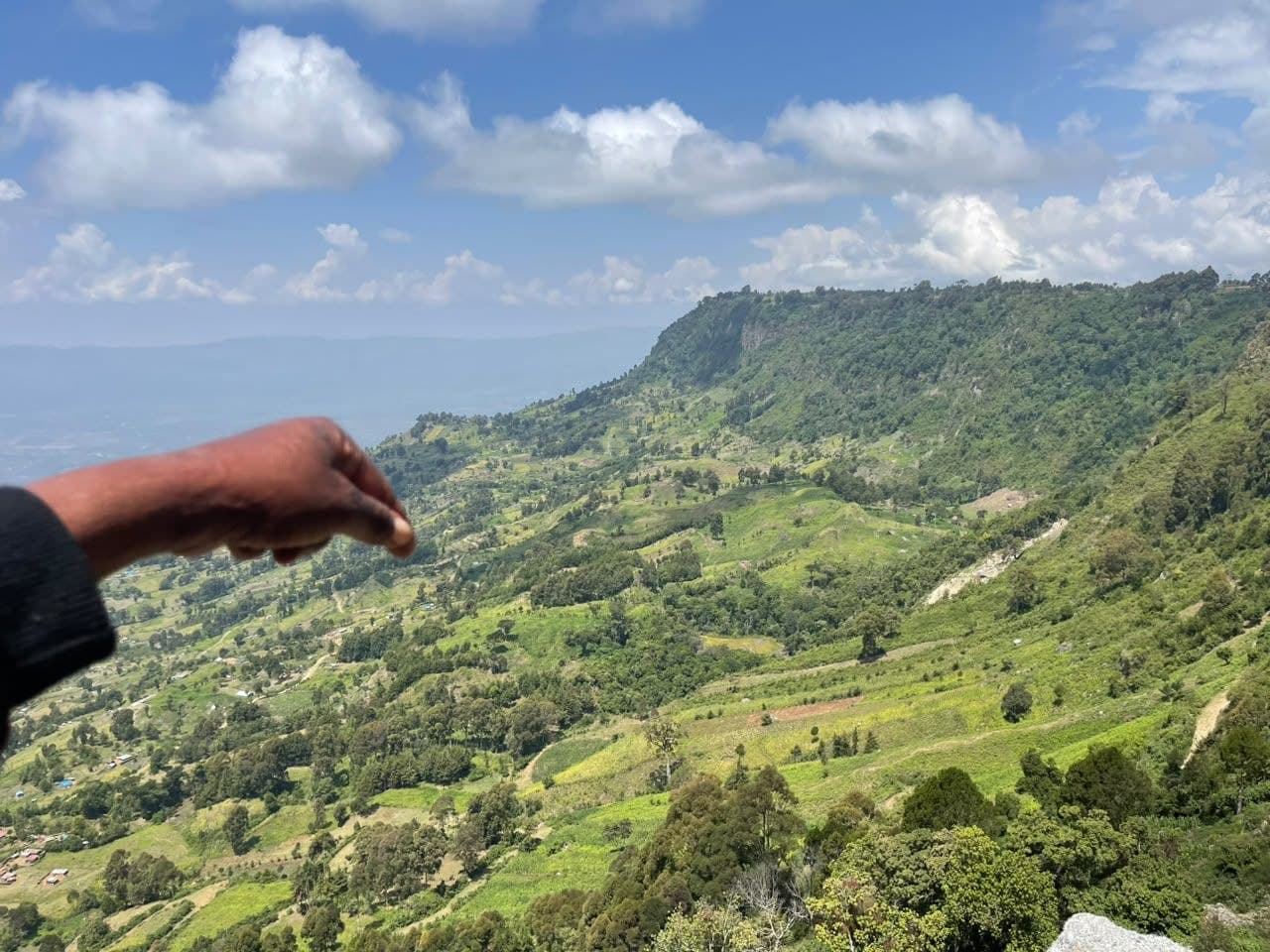
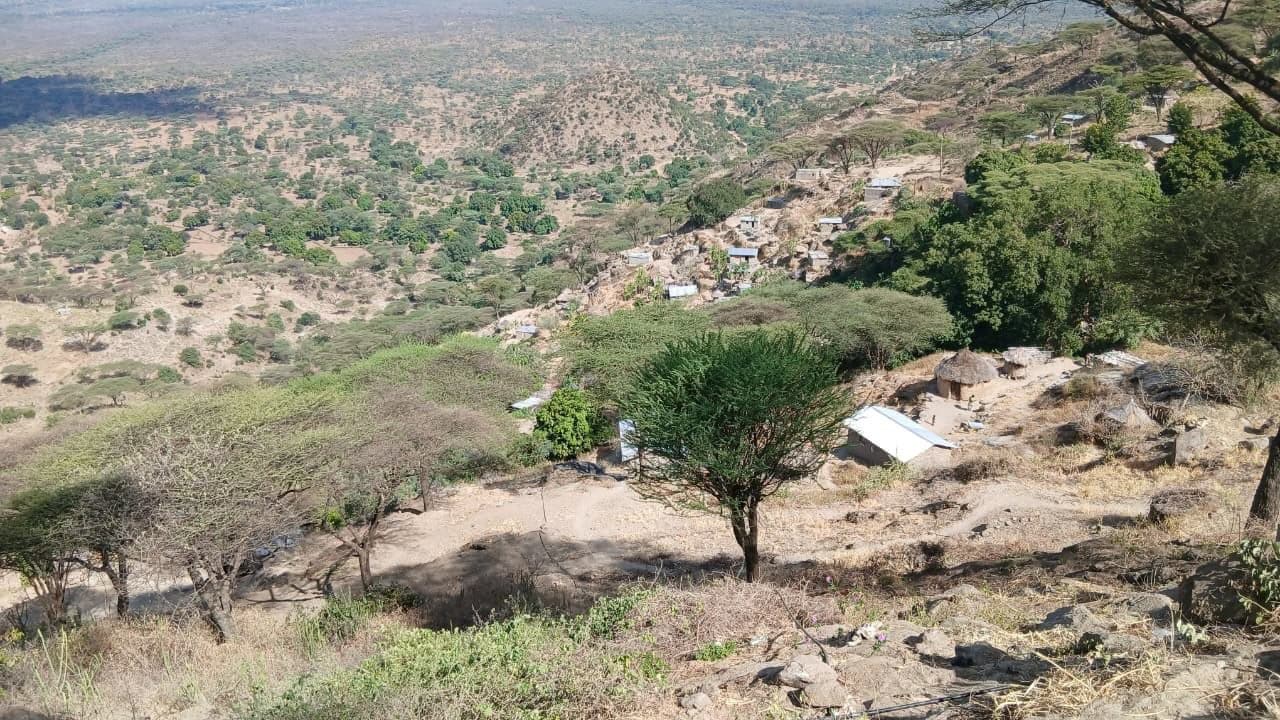
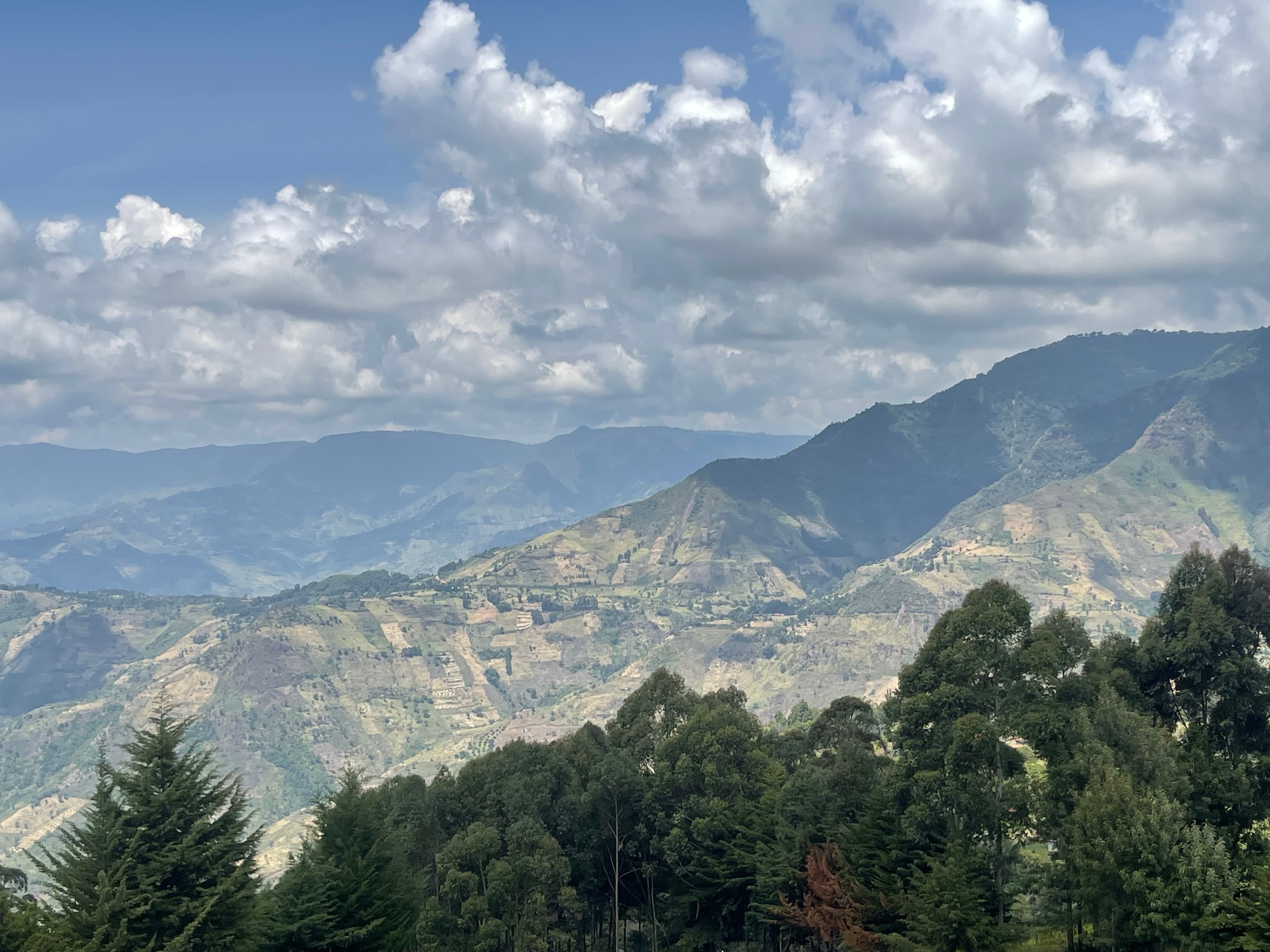
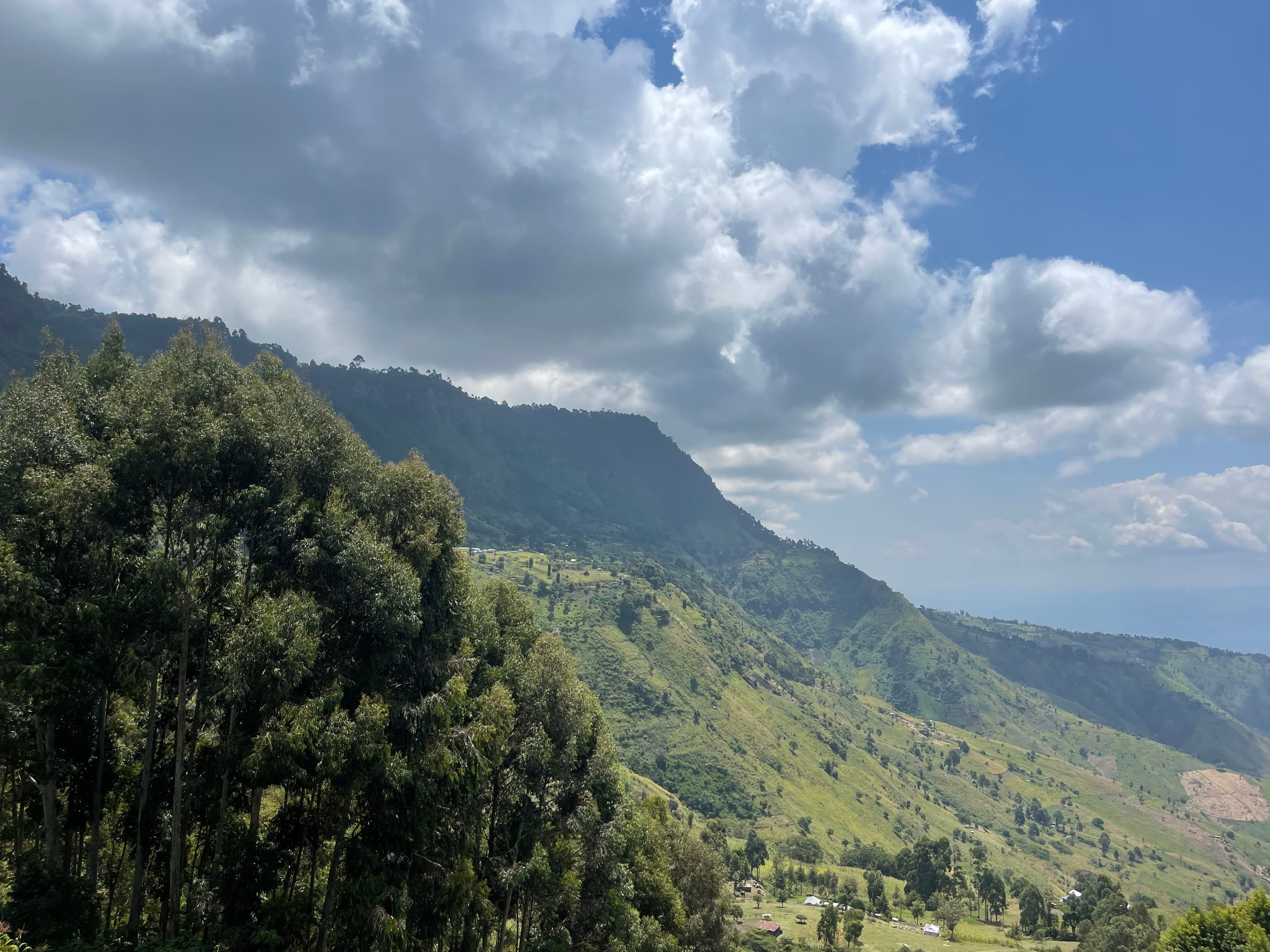
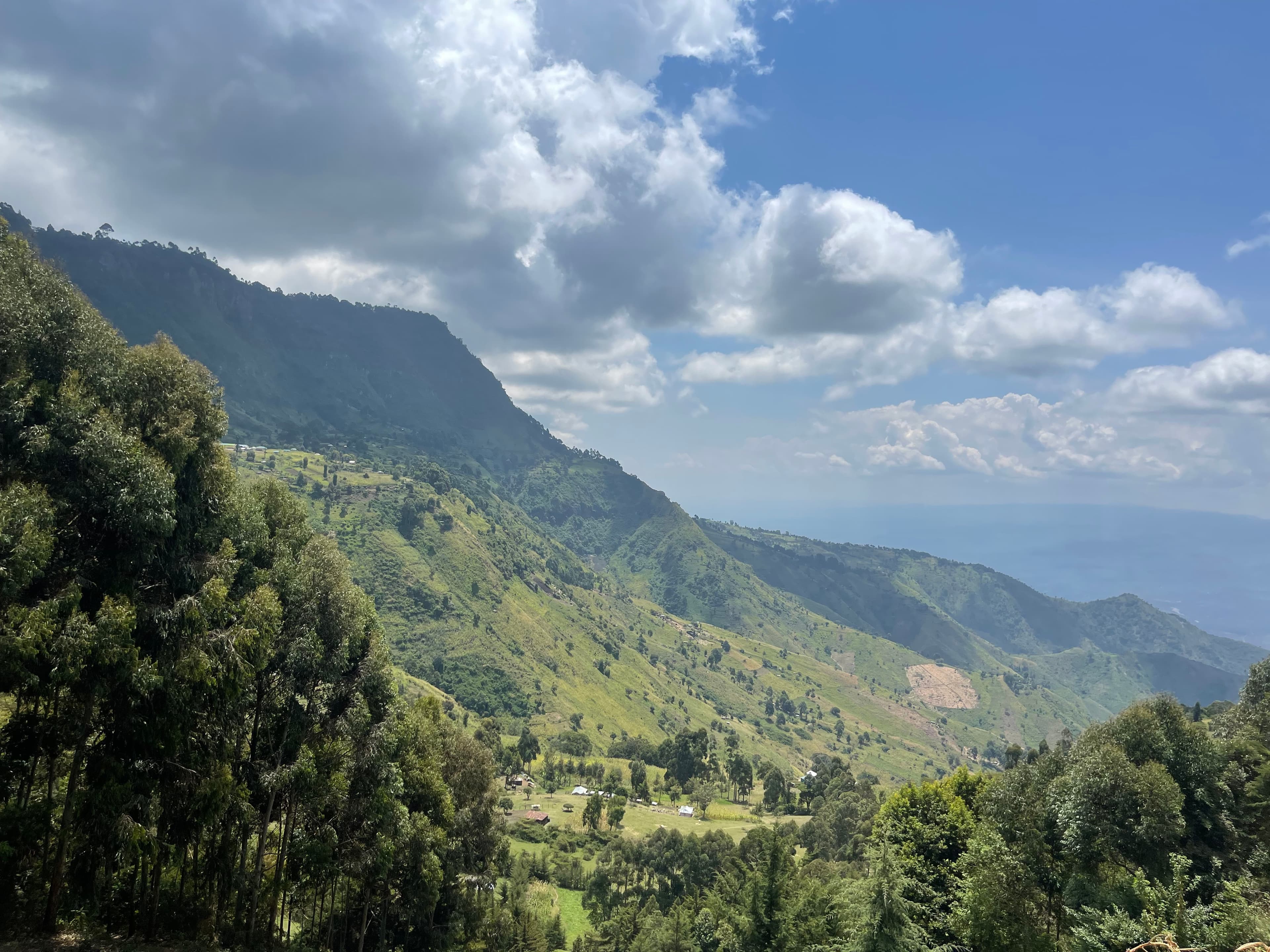
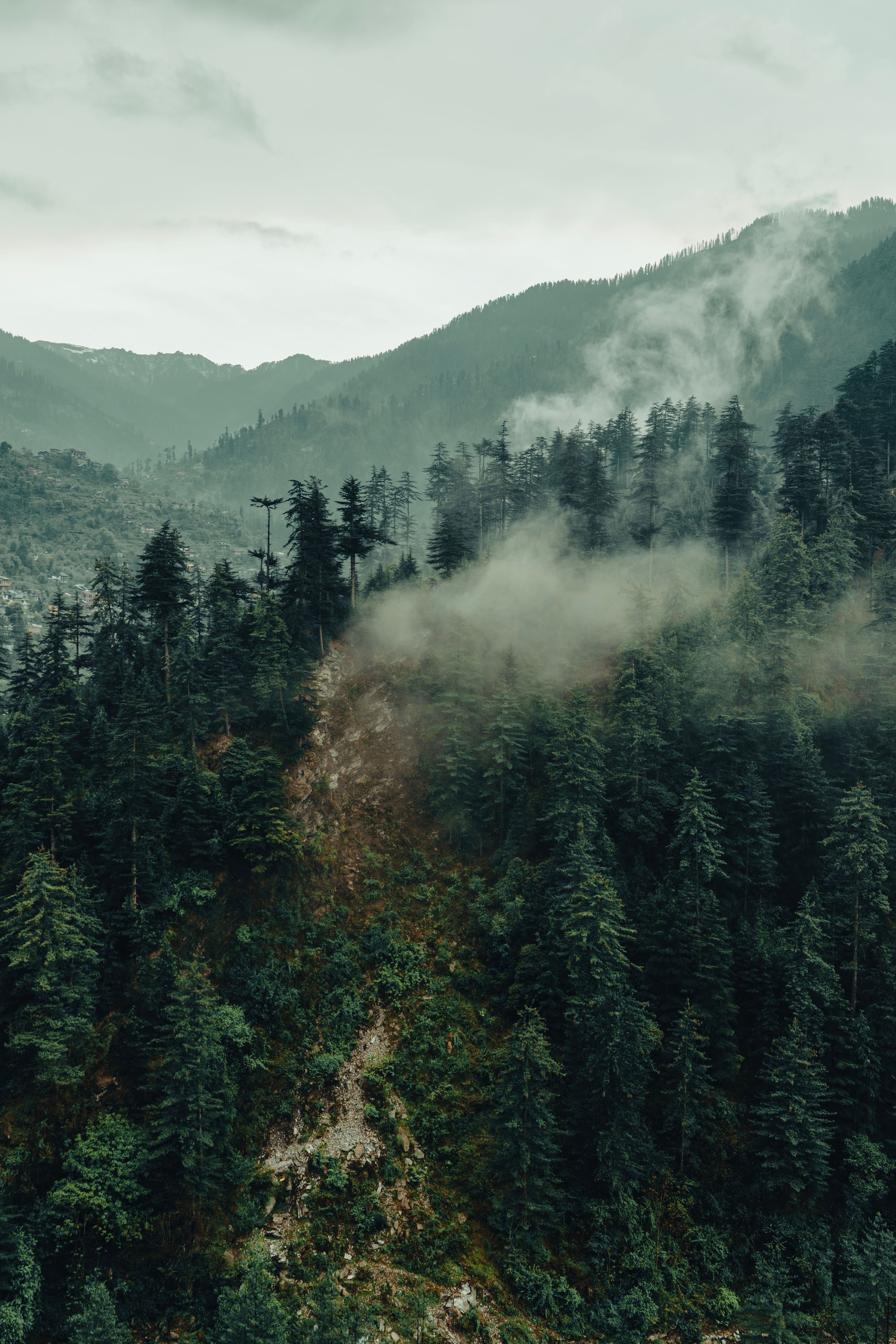
The Elgeyo-Marakwet escarpment is where forest, farms and springs meet above the Kerio Valley — a local landscape with consequences far beyond its ridgeline.
Around Iten, Kesup Forest and the Spencer Line, elevation, soils and root systems store, filter and release water that feeds the Kerio Valley and the farms, homes and livelihoods downstream.
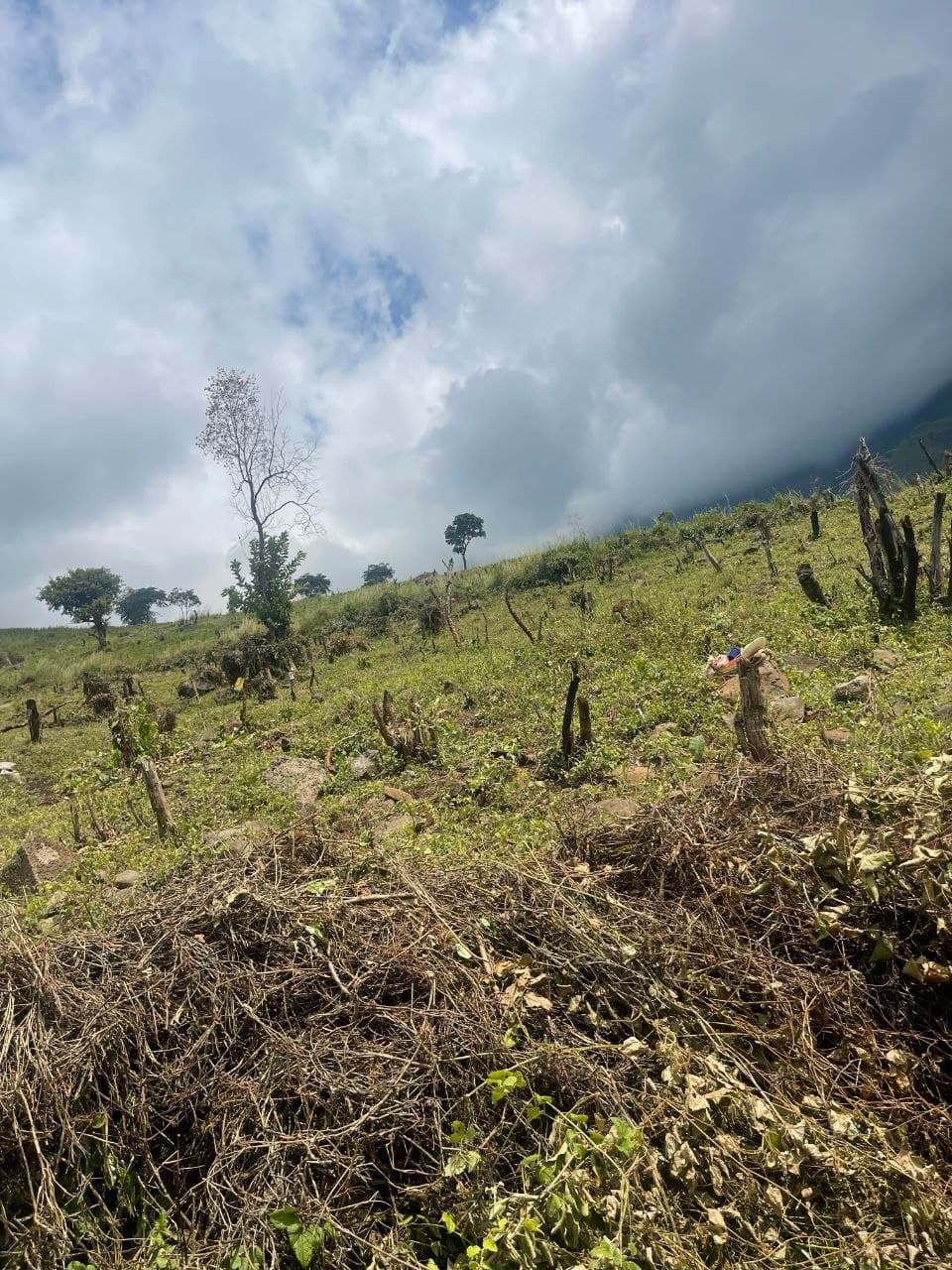
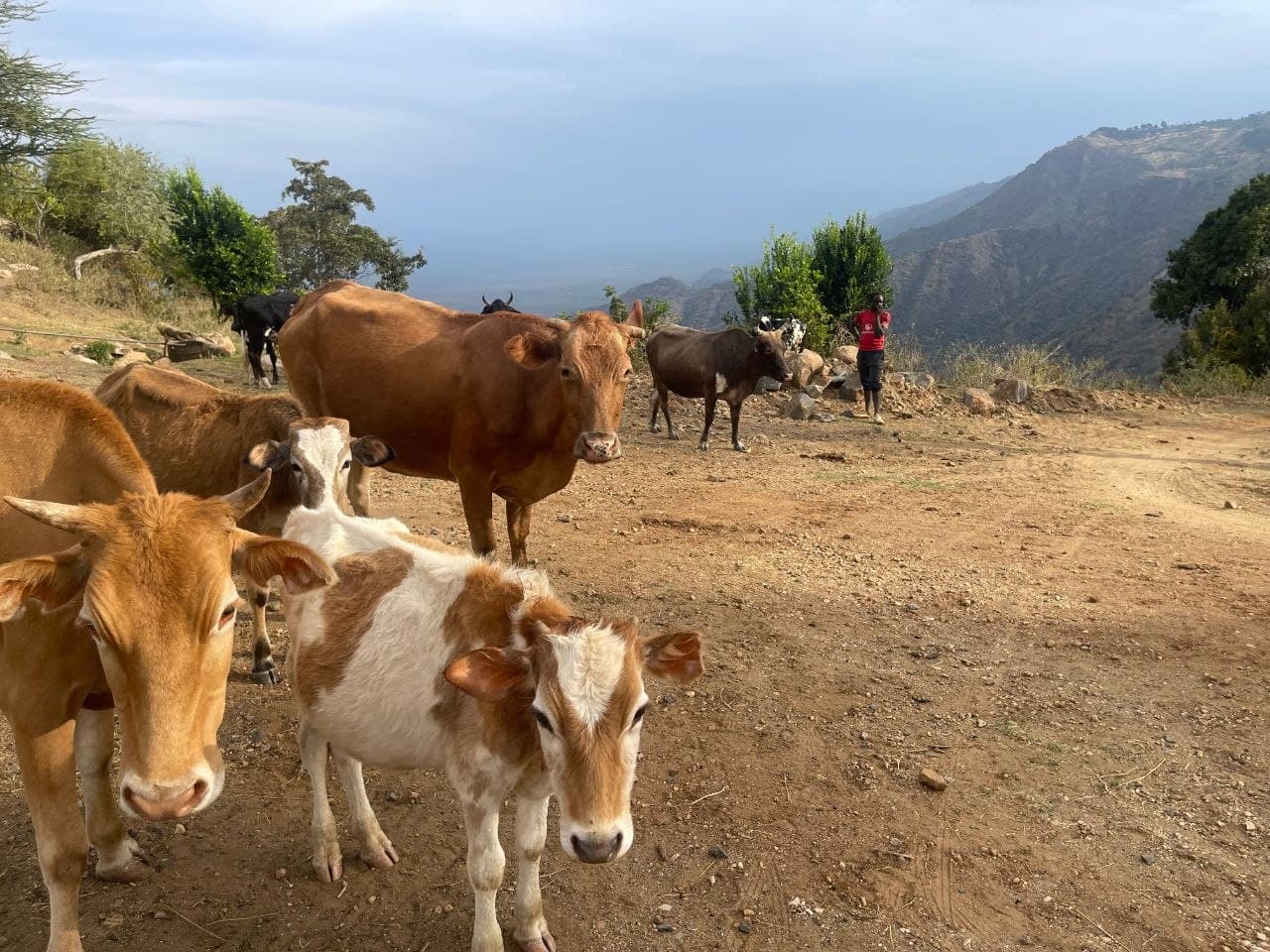
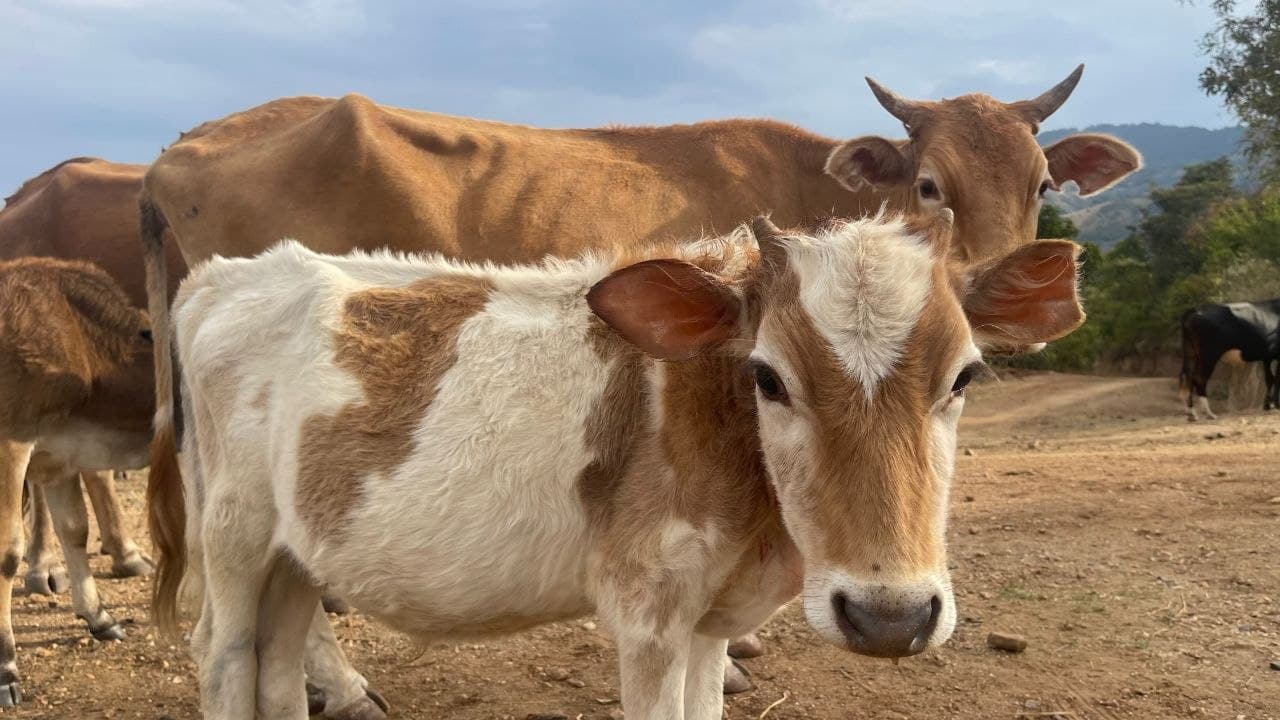
When these forests are degraded through encroachment, charcoal cutting or unmanaged grazing, the consequences travel downhill: thinner springs, soil erosion, landslides and lost productive land. The response must restore the whole landscape, not simply plant trees.
Elgeyo-Marakwet shows why water-tower protection is practical infrastructure work: healthy forest and stable soils help keep water available for people and farms below.
75%
approximate share of Kenya's renewable surface water associated with the five major water towers
2%
of Kenya's total land area covered by the five water towers — a small footprint with an outsized hydrological role
68%
of Kenya's population had at least basic drinking-water service nationally (KDHS 2022)
56%
of the rural population had at least basic drinking-water service (KDHS 2022)
Our response
Restoration lasts when ecology, livelihoods and governance move together.
Restoring a water tower is not just about growing trees. It means healthy ecosystems, fair policy, included communities, stronger livelihoods, reliable food and resilient neighbourhoods — together.
01
Landscape Restoration & Ecosystem Health
Restore indigenous forest, riverbanks, soils and water sources using the right intervention for each ecological zone.
02
Policy & Governance
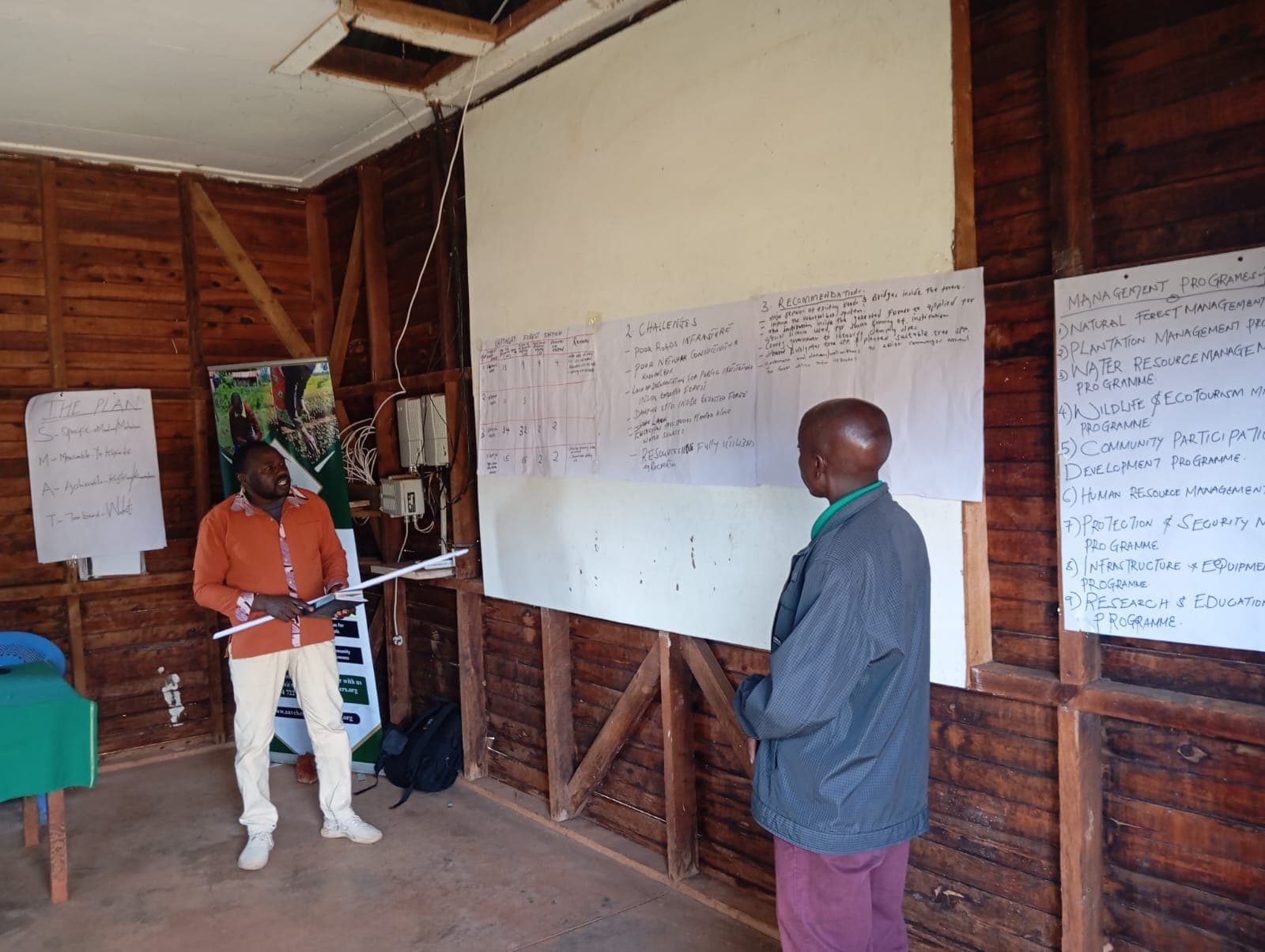
Support participatory plans, boundary protection, coordination and evidence-informed land-use decisions.
03
Social Inclusion
Ensure women, youth, forest users and marginalised groups participate in decisions and benefit from the work.
04
Livelihoods
Support enterprises — nurseries, agroforestry, coffee, beekeeping, clean energy — that reduce pressure on forests.
05
Food Security
Promote climate-smart farming, soil and water conservation and diversified household production.
06
Community Development
Build local organisations, skills, monitoring systems and leadership so restoration continues beyond a project cycle.
Featured project
Community-Led Restoration and Improved Landscape Management
- County
- Elgeyo-Marakwet
- Partners
- FAO, BMZ, AFR100
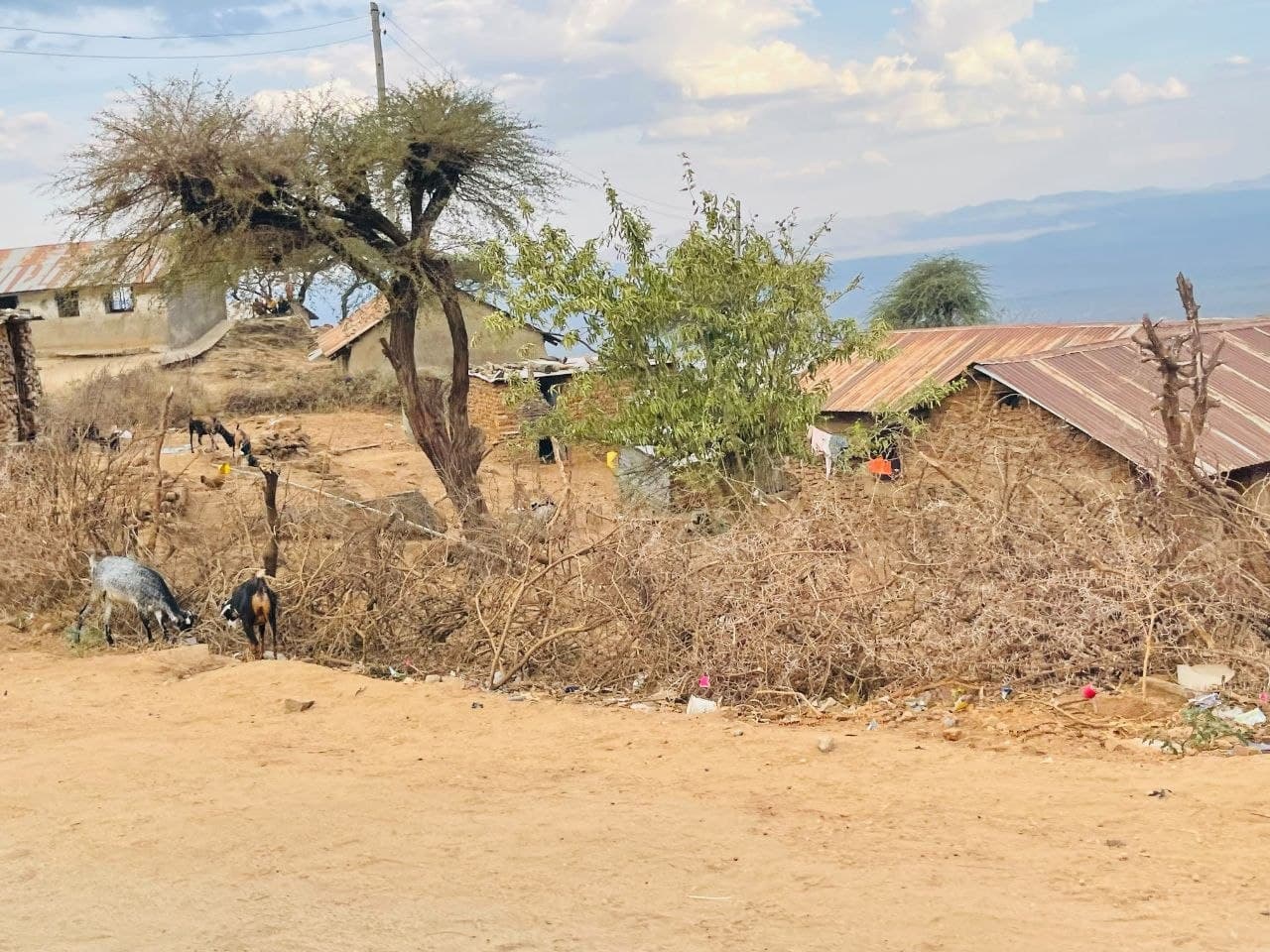
Along a highland escarpment overlooking the Kerio Valley, decades of encroachment have pushed the forest boundary upward, degrading indigenous cover and weakening the water catchment that communities below depend on.
Working with FAO and its partners, we are restoring this landscape through three interlinked components: reviewing and strengthening forest governance instruments, developing an integrated landscape management plan, and supporting community-led restoration through agroforestry and assisted natural regeneration.
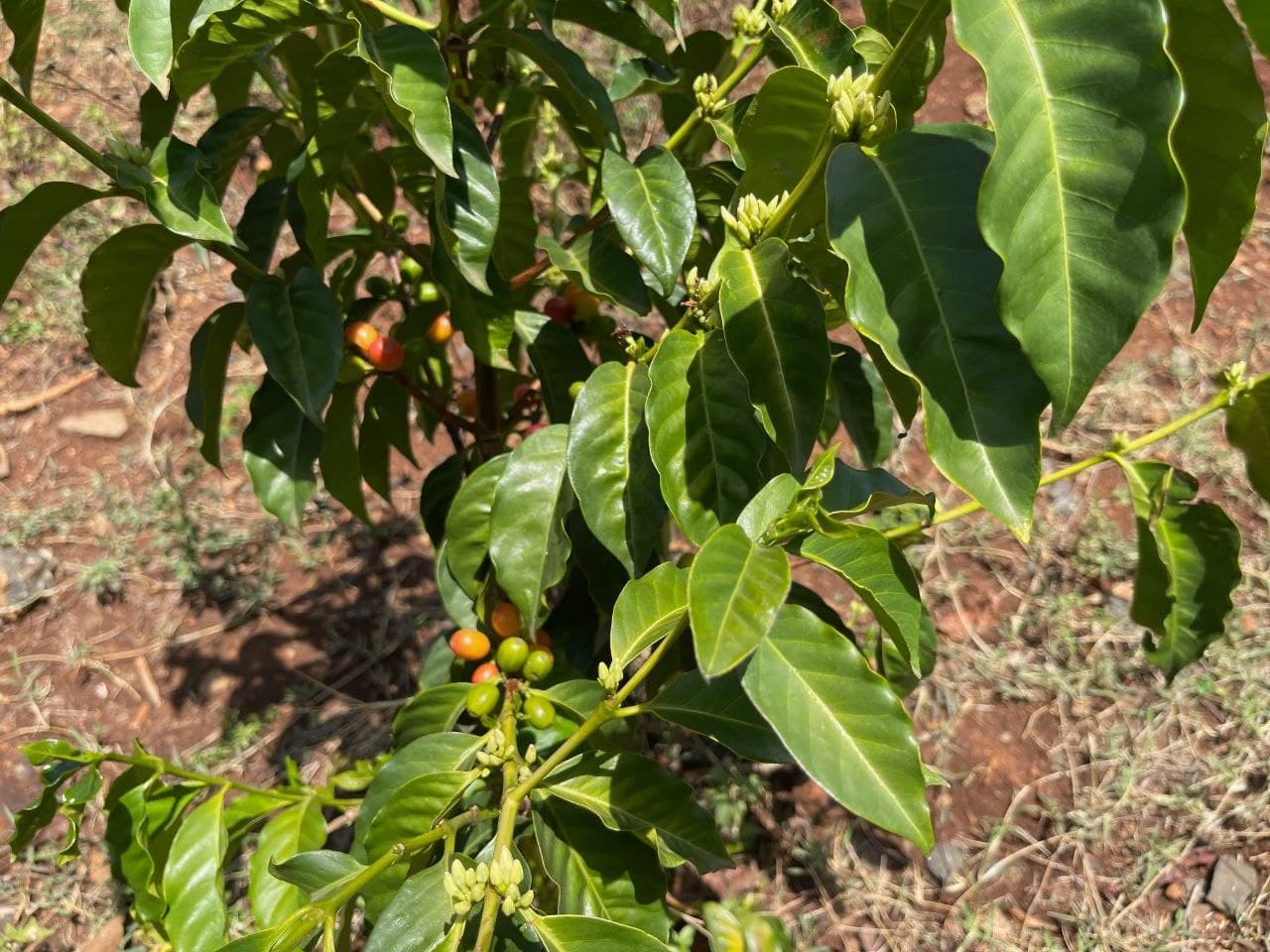
Farm Forest Producer Organisations are integrating indigenous trees and coffee into farms while protecting natural regrowth in degraded areas — connecting ecological recovery with household livelihoods.
01
Strengthen forest governance
Review and update participatory forest management plans and forest management agreements — the institutional foundation for equitable, lasting restoration.
02
Develop a landscape management plan
Coordinate land use, boundary protection and resource management across forest, farmland and water resources using an integrated landscape approach.
03
Restore through agroforestry and ANR
Support producer organisations with indigenous trees, coffee systems and assisted natural regeneration matched to ecological zones and community priorities.
Our story
We started because healthy forests and healthy communities cannot be separated.
Founded in 2010, we work directly with the communities who farm the forest edge — because no fence outlasts a community that doesn't see the point of it. Today we operate across six counties in Kenya's Rift Valley and are a member of the Kenya Climate Change Working Group.
Save Kenya Water Towers is an independent, registered NGO in Kenya. We are not affiliated with the former Kenya Water Towers Agency, a government body whose mandate expired and was dissolved in December 2024.
Read Our Story →Voices from the ground
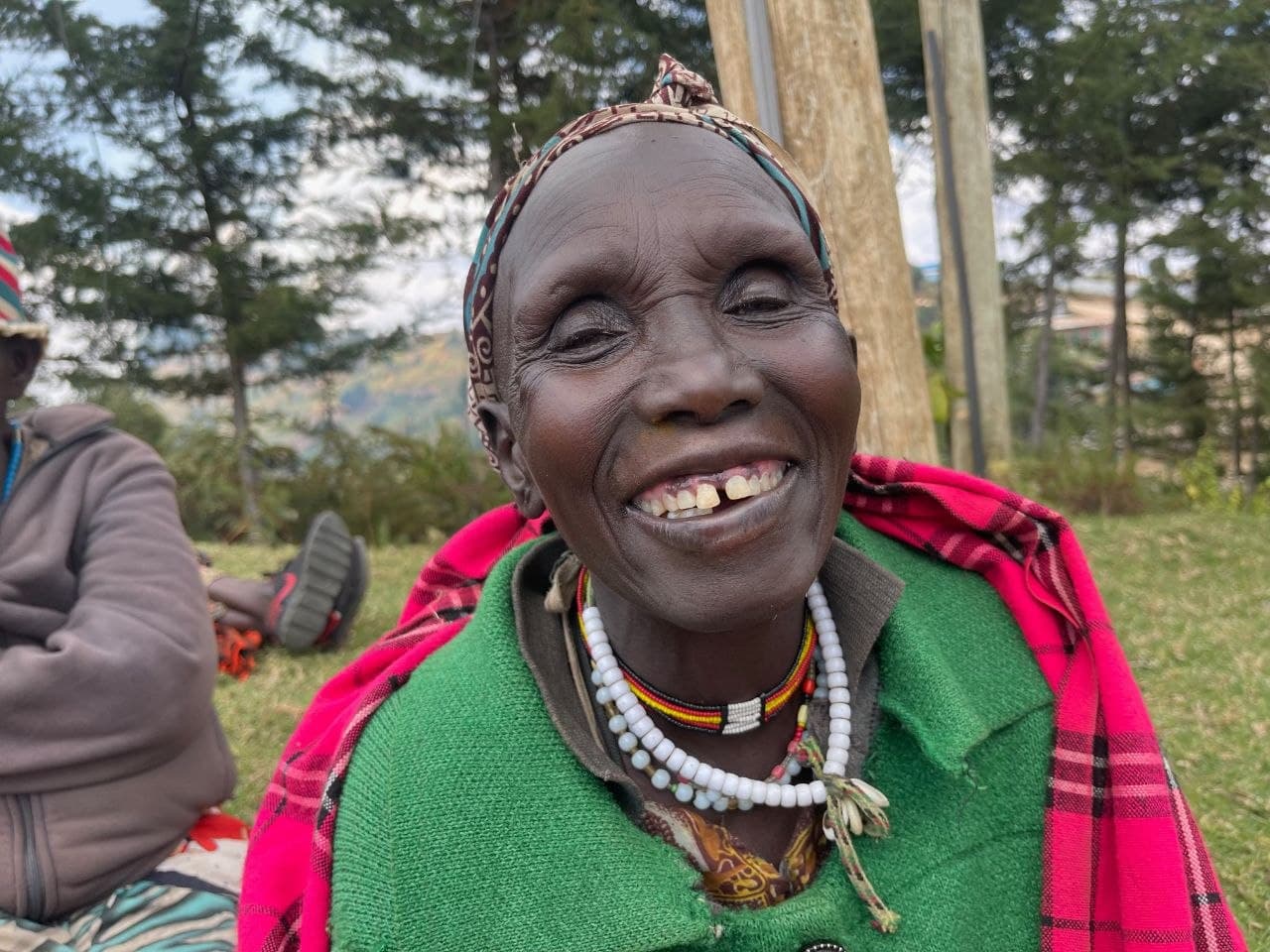
“Before, we walked three hours for water. Now the spring near our village runs again.”
— Community member, Elgeyo-Marakwet County
Built on partnership
Restoration at scale requires cooperation across communities, government, science and finance.
We work alongside the Food and Agriculture Organization of the United Nations, BMZ, AFR100, Kenya Forest Service, Kenya Forestry Research Institute, the University of Eldoret, the World Resources Institute and others — each contributing technical expertise, funding, policy support or community mobilisation to the landscapes we share.
Together, these partnerships have helped us reach six counties, support hundreds of households, and build the governance foundations that make restoration last.
Meet our partners →How it works
From degraded land to living forest — a clear pathway.
Assess
Map degraded areas, identify ecological zones and understand community land use and priorities.
Plan
Develop participatory forest management plans and integrated landscape strategies with communities.
Restore
Plant indigenous species, protect natural regeneration, rehabilitate riverbanks and soils.
Monitor
Track tree survival, spring flow, household income and vegetation recovery over time.
Learn
Publish results, refine methods and share knowledge with partners and communities.
Latest news & updates
The work is moving.
14 July 2026
We're extending our mandate into Nakuru County
Site assessments have begun in the Mau-adjacent highlands, marking our sixth county of operation and first work bordering the Mau Forest Complex.
22 May 2026
We presented catchment data at the KCCWG annual convening
As a member of the Kenya Climate Change Working Group, our team shared five years of spring-flow monitoring data from the Elgeyo escarpment.
30 March 2026
New grant funds the Cherangani North Corridor project
A multi-year grant will fund community entry, two new women-run nurseries, and a youth forest-scout cohort in West Pokot.
Our partners
Protecting Kenya's water towers requires cooperation across communities, government, research and conservation.
Partners contribute technical expertise, research, funding, policy support, community mobilisation, restoration materials and local knowledge. The exact role of each organisation is confirmed on a project-by-project basis.

.jpeg&w=3840&q=75)
.jpeg&w=3840&q=75)
.jpeg&w=3840&q=75)
.jpeg&w=3840&q=75)
.jpeg&w=3840&q=75)